Loading page content.
Loading Planning Guides
Preparing itineraries, logistics, and practical travel tools.
Compiling planning guides and trip resources tailored for Belize.
Loading page content.
Loading Planning Guides
Preparing itineraries, logistics, and practical travel tools.
Compiling planning guides and trip resources tailored for Belize.
Stay in the know
Belize
before
everyone else.
Events, hidden gems, seasonal highlights, and local stories, delivered straight to your inbox before they go viral.
Loading page content.
Loading Activities
Finding tours, day trips, and experiences across Belize.
Preparing destination details and local recommendations.
Keep Planning
Certified Belize tour guides for ATM Cave, Maya ruins, reef trips, wildlife outings, and private day tours across the country.
Compare 20 Belize itineraries by trip length, style, bases, transfers, pace, and car needs, from five-day escapes to three-week routes.
Belize health & safety, the practical side: tap water, mosquitoes and Zika, vaccines, marine and dive hazards, clinics, and travel insurance for 2026.
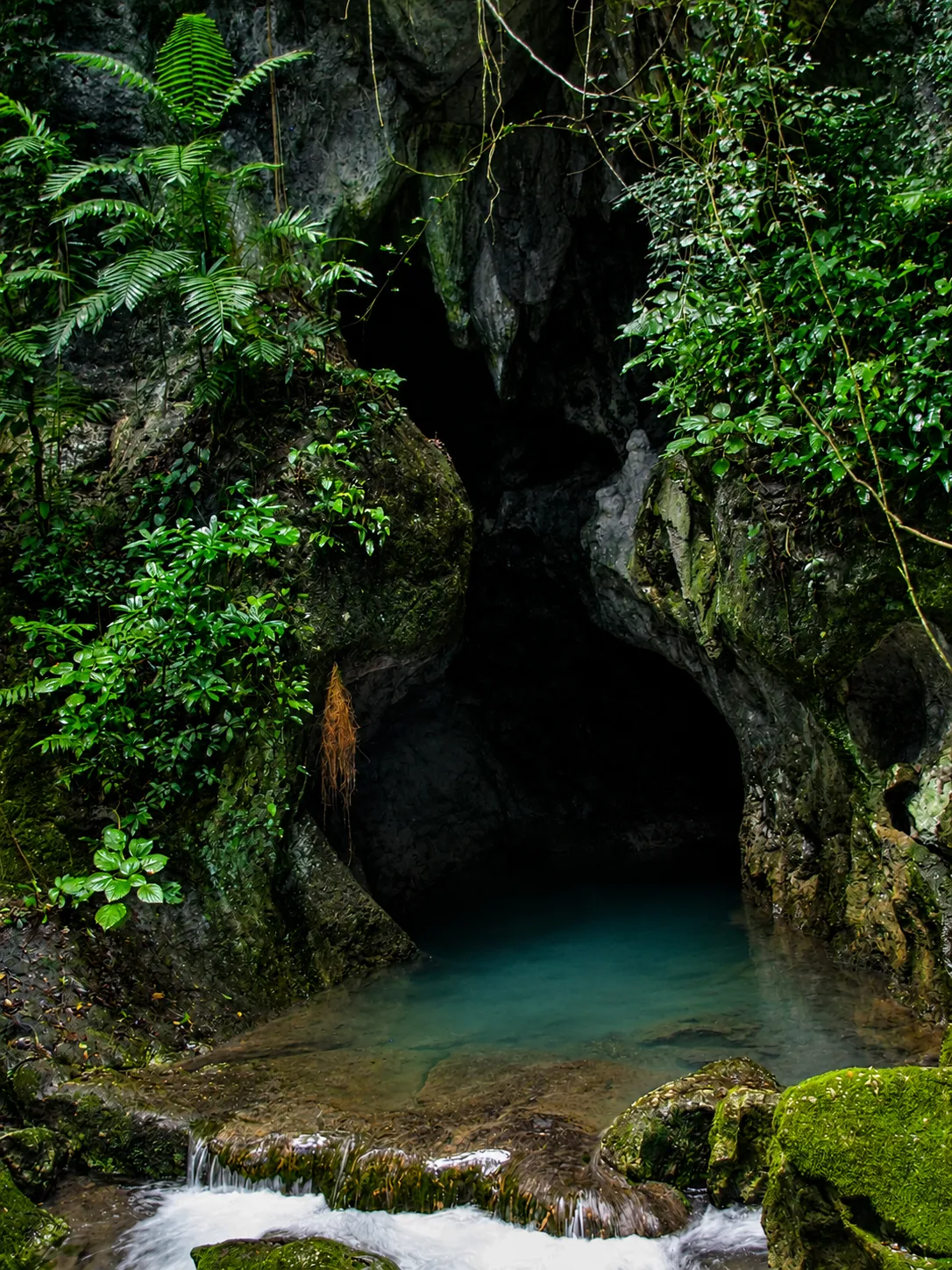
I crossed three rivers and swam into Actun Tunichil Muknal. Here is what it cost, how hard it felt, what I wore, and who should skip it.
ATM Cave, short for Actun Tunichil Muknal, is a sacred Maya cave in Belize visited with an ATM-certified guide. The tour combines a jungle hike, river crossings, swimming and climbing with Maya ceramics and human remains preserved inside the cave. I hiked about 45 minutes, crossed Roaring Creek three times, then swam through the limestone entrance. My verdict: it is unforgettable if you can swim, handle uneven rock, and follow strict preservation rules. I would stay in San Ignacio, book through a licensed tour operator, and schedule ATM early in my inland stay in case heavy rain closes it.
Reviewed by RowanBelizean writer based in CayoLast reviewed August 30, 2026
My first-hand take: I would do ATM again. I would also be honest with anyone who dislikes tight spaces, cannot swim, or has limited mobility: this is not the Belize tour to force yourself through.
ATM Cave essentials
Before I recommend ATM
The best ATM Cave tour recommendation depends on your base, your group, and your dates. These are the three questions I use to decide whether ATM fits, and how much travel time or weather flexibility I would build around it.
I use your base to judge the real day, not just the cave time. San Ignacio is easiest; Belize City is workable; Placencia, Hopkins, San Pedro, and Caye Caulker add long transfers.
I want to know about swimming confidence, the shortest traveler's height, and any knee, hip, back, balance, pregnancy, or claustrophobia concerns before I suggest ATM.
Heavy rain, not the calendar alone, can raise the river and close the cave. In wetter months I place ATM early in the Cayo stay and keep one flexible backup day.
Then ask the operator to confirm
A good operator answers all of this without hesitating: their current BTB licence, that your guide is ATM-certified, the total price with tax and park admission, the pickup point, how many people share the guide, what is included, and what happens to your money if rain closes the cave.
What I would budget
From San Ignacio, I treat US$110-$150 per person as the realistic starting range for a shared ATM tour. The cheapest headline is not always the cheapest complete day, so I compare the final price only after the operator confirms every inclusion.
Shared tour
US$110-$150
My best-value choice from San Ignacio. Current rules still cap each ATM-certified guide at six visitors.
Small-group listing
US$130-$160
Some operators charge a premium for pickup, timing, or a smaller vehicle. I ask what “small” means because six is already the official guide maximum.
Private tour
From about US$250
I would pay extra for control over pace and more guide time, not for different access or relaxed safety rules.
My quote checklist
“Small group” is not a guarantee of better value: NICH already limits ATM to six visitors per certified guide. I pay more only when the extra control over timing, pickup, or pace matters to my group.
After two visits
I expected the swimming and climbing to dominate my memory. After two visits, it is the shift from daylight to complete darkness, the guide's interpretation, and the discipline required around unprotected artifacts that stayed with me. Turning off our headlamps and listening to the cave changed the experience from sightseeing into something quieter and more human.
Both visits reinforced the same lesson: guide quality and group pace matter. I would do ATM again, but I would still choose an ATM-certified guide who explains the archaeology carefully, keeps the group together, and never rushes people past the reason the cave is protected.
My effort map
Most descriptions stop at the entrance swim. I think the return matters just as much: whatever I cross, climb, and squeeze through on the way in, I repeat on tired legs on the way out.
Steady
About 45 minutes on a mostly manageable forest trail. Heat and humidity matter more than elevation.
Balance
Water depth and current change with rain. I follow the guide's line and use the crossing rope where provided.
Swim
The cool-water swim through the limestone mouth is short, but swimming ability is a NICH requirement.
Sustained
This is the longest test: wading, swimming, slick boulders, darkness, and narrow rock passages by headlamp.
Climb
A ladder and scramble lead to the dry chamber. I remove my shoes and continue in socks around the artifacts.
Reserve
There is no shortcut out. I repeat the cave, entrance swim, river crossings, and jungle trail when already tired.
My first-hand experience
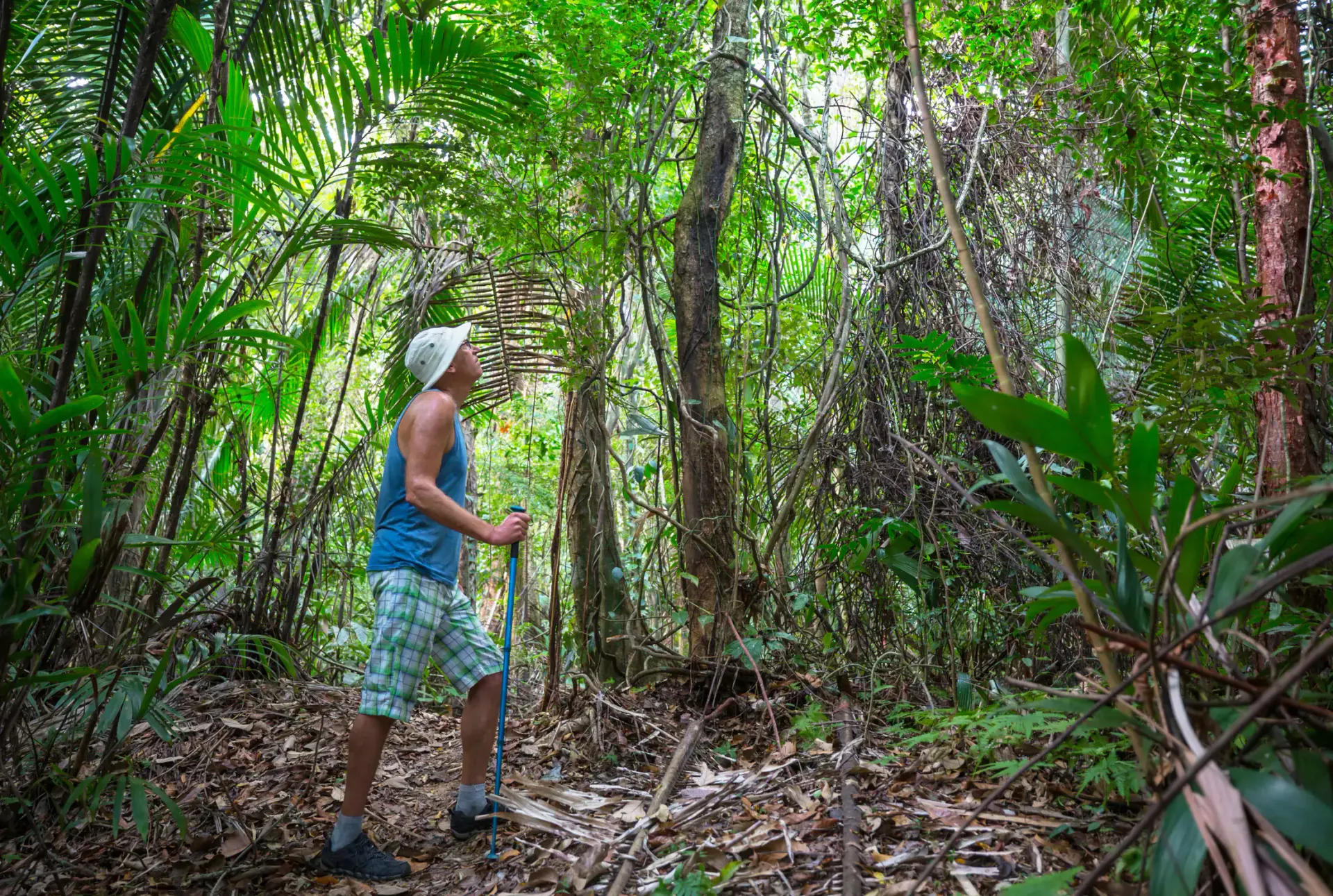
ATM Cave Belize is not a walk-through attraction. I hiked for about 45 minutes through the forest, crossed Roaring Creek three times, and watched the clear water change with the light as I approached the limestone opening. Depending on the season, a guide may point out orchids, the spiny give-and-take palm, and plants used in Belizean bush medicine along the way. I kept my hands to myself and followed the guide's line; the jungle is part of the protected experience too.
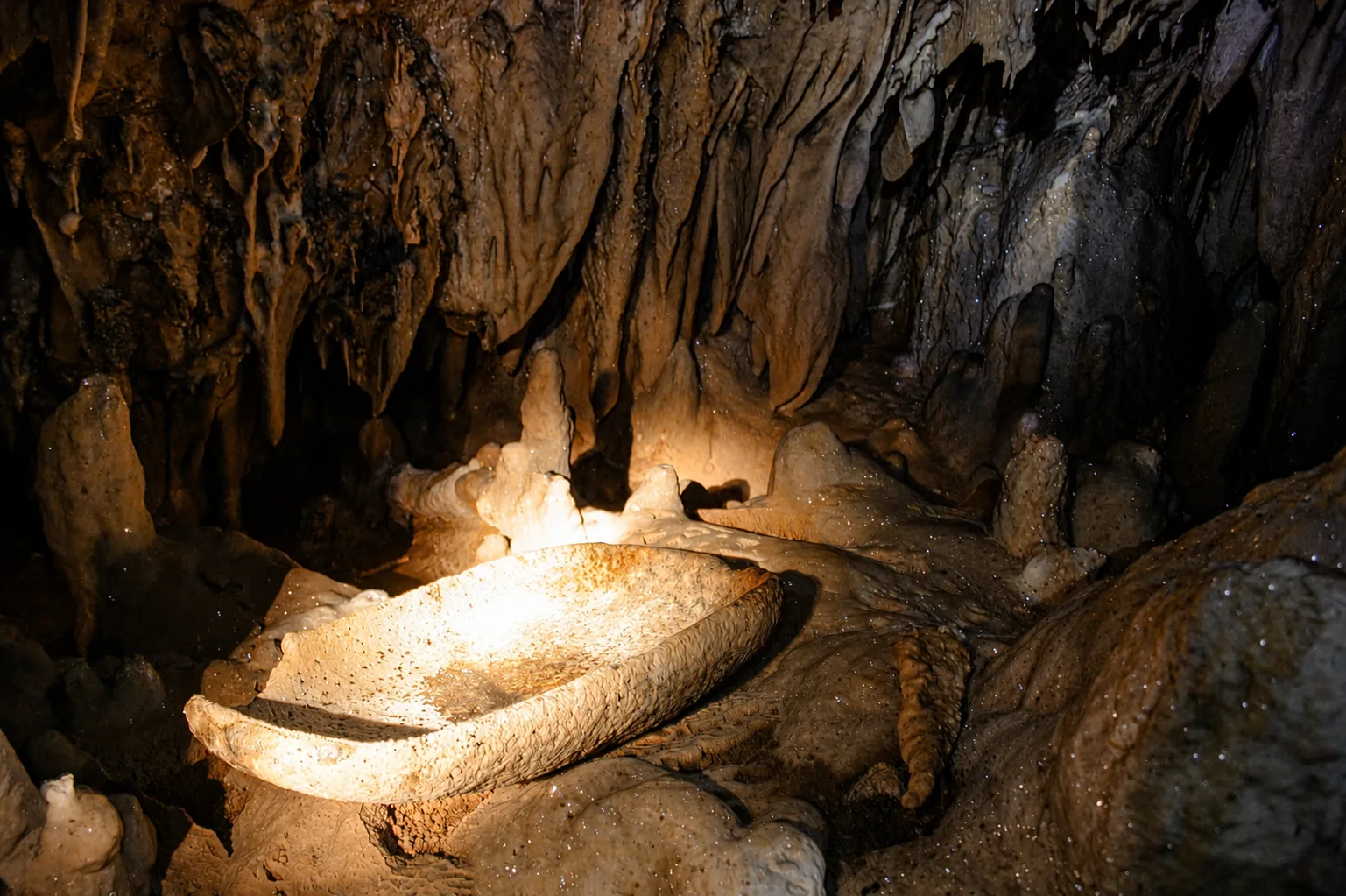
The water at the entrance was cool enough to wake me up immediately. I swam through the cave mouth, passed the last natural light, and moved by headlamp through boulders, narrow neck-high passages, and huge chambers. In the upper dry chamber I removed my shoes and continued in socks so I would not damage the Maya ceramics and human remains. That progression, from bright forest to complete darkness, is what made the day feel like a journey, not a museum visit.
Insider tip
My honest comparison: the jungle trail was the easy part. The challenge began inside, where I had to keep swimming, balance on slick rock, and climb without rushing.
Booking it right
I cannot enter ATM independently, hire a guide casually at the gate, or buy a same-day walk-in tour. The National Institute of Culture and History (NICH) requires advance booking through a licensed tour operator, a signed liability release, and an ATM-certified guide. Current rules allow a maximum of six visitors per guide, and every visitor must wear a life vest plus a helmet with a light.
I would book from San Ignacio whenever possible. It is the closest practical base, the drive to the site is about 45 minutes, and I avoid adding hours of coast-to-Cayo transfers to an already physical day. For 2026 planning, I would budget about US$110-$150 per person for a shared San Ignacio tour, then confirm the park ticket, hotel pickup, equipment, lunch, group size, and weather-cancellation policy in writing.
Insider tip
Before I pay, I ask for the operator's current Belize Tourism Board licence and confirmation that my guide is ATM-certified. A general cave guide is not automatically certified for ATM.
Honest difficulty check
I would call the ATM Cave tour moderately strenuous, not technical. The forest trail is mostly straightforward, but the cave demands repeated swimming and wading, a metal ladder, boulder scrambles, tight squeezes, and careful foot placement on wet limestone. I had to be comfortable in dark enclosed spaces and able to keep moving for several hours; raw gym fitness mattered less than balance, mobility, and listening to the guide.
NICH does not publish a universal age limit. It requires every visitor to be at least 40 inches tall, able to swim, and in good physical health; individual operators may set stricter policies. I would tell the operator about knee, hip, back, balance, pregnancy, claustrophobia, or swimming concerns before booking. If those demands sound wrong for your group, I would choose cave tubing or Barton Creek Cave instead.
Insider tip
I schedule ATM near the start of my Cayo stay. Heavy rain can raise the river and close the cave, so an early date leaves room to try again without rearranging the whole trip.
What to wear & bring
I wore quick-dry clothes and closed-toe shoes with real grip that I did not mind soaking. Flip-flops would have been useless. I also packed socks for the dry upper chamber, a towel, and a complete change of clothes for the ride back. My water stayed with the group as directed, while jewelry and anything I could drop stayed at the hotel or in the operator's secure storage.
I did not bring a phone, camera, or GoPro into the cave. Photography and recording equipment have been prohibited inside since 2012 after a falling camera damaged an ancient skull. The operator supplied the helmet, headlamp, and life vest required by NICH. Lunch is common but not automatic, so I would still confirm it before booking rather than assume it is included.
Insider tip
I asked my operator about approved interior images before the tour. The camera ban felt strict until I stood inches from unprotected artifacts; then it made complete sense.
Discovery & archaeology
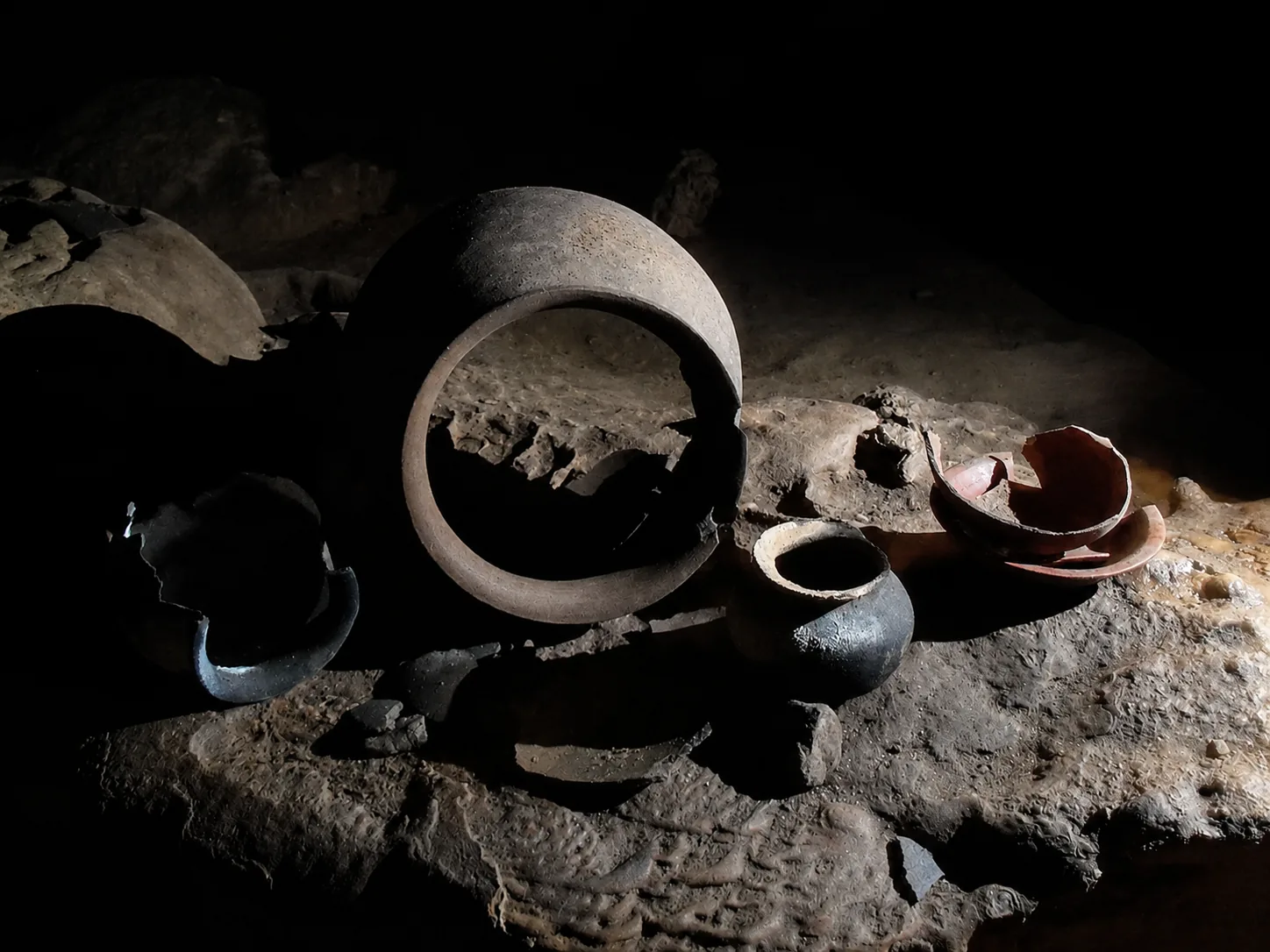
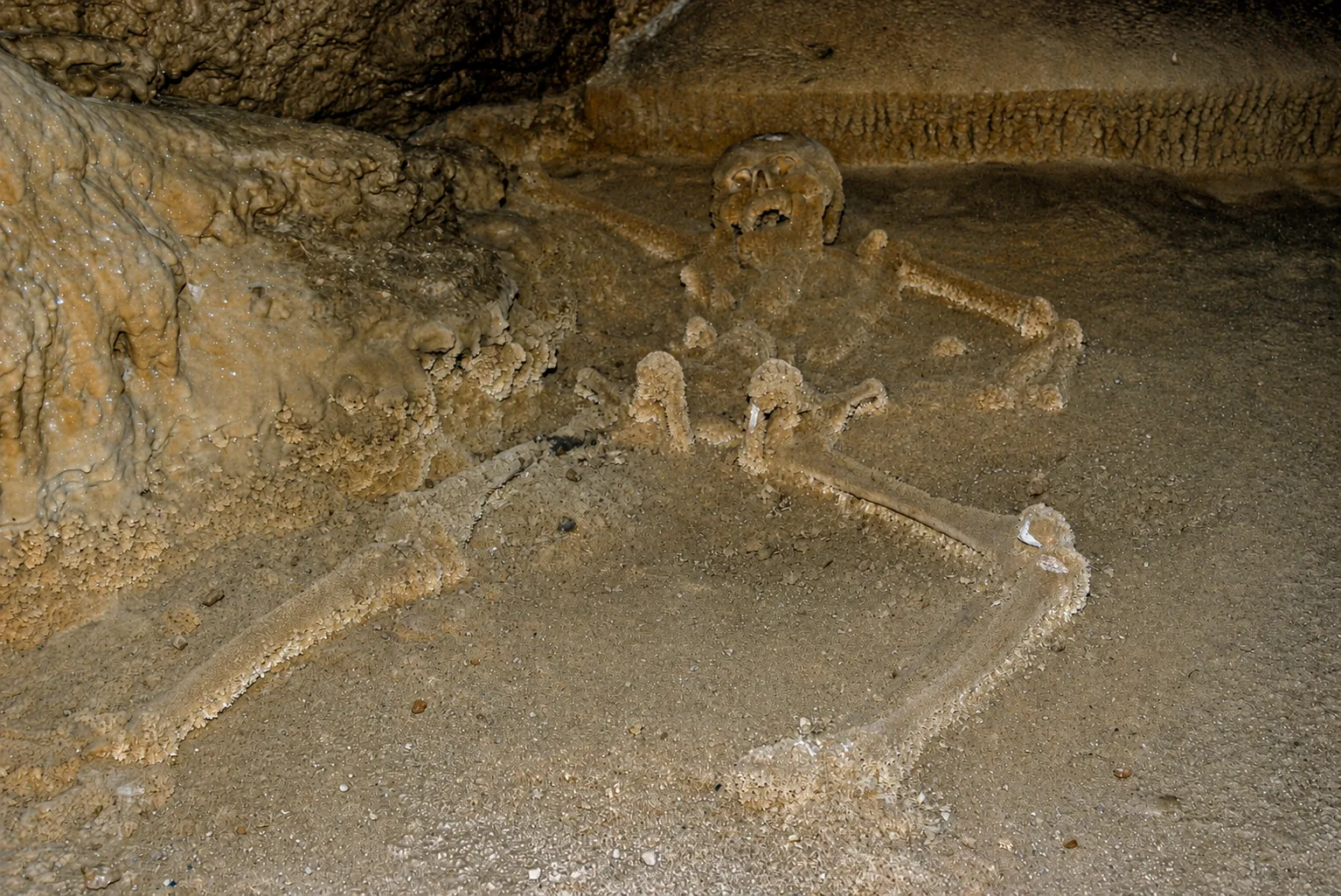
Once I climbed into the Cathedral Chamber, ATM stopped feeling like an adventure course and became a sacred archaeological site. Ceramics sit on the floor and shelves, some deliberately broken during ceremonies, while calcified human remains occupy separate ritual spaces. The complete skeleton popularly called the Crystal Maiden is also known as the Stone Sepulcher. Its sex is debated, so I treat the nickname as a familiar label rather than a settled archaeological fact.
The official NICH site records a 3.13-mile cave within the 520.8-acre Actun Tunichil Muknal Natural Monument, adjoining Tapir Mountain Nature Reserve. Maya ritual use began at least as early as the Early Classic period (A.D. 300-600). Research continues: teams working with Belize's Institute of Archaeology used mobile LiDAR, photogrammetry, and structured-light scanning to build a detailed 3D record of the cave, human remains, and vessels without moving them.
Insider tip
When my guide asked us to switch off our headlamps, the darkness and dripping water did more than any display case could. That quiet moment is the part I still remember most clearly.
Every ATM visit is led by a certified guide, so the tour you book is the only way in. These are the best-reviewed ATM tours on Viator; the shortest day starts from San Ignacio.

9h · From $145
5.0(1,502)
Actun Tunichil Muknal is a mysterious and beautiful portal to the ancient Maya and their traditions, ceremonies and spirituality. This cave system served as a ceremonial site where the Maya performed sacrifices and other ceremonies as they dealt with extreme and harsh conditions in times of drought. Explore this lush area surrounded by beautiful jungles, and the cave entrance is traversed by swimming across a crystal clear spring fed pool. Spend 3 hours in the cave after hiking in through the rain forest. Here you will see stunning artifacts, altars and the crystallized skeletons of the sacrificed girl, The Crystal Maiden.

7h 30m · From $145
4.8(193)
- Experience a personalized small group tour of the ATM Cave. - Enjoy a Belizean local lunch after your adventure. - Travel comfortably in air-conditioned transportation. - Trek through the Tapir Mountain Nature Reserve with three refreshing river crossings. - Swim into the mysterious cave, once considered a portal to the underworld by the ancient Mayas. - Guided by professional tour specialists, navigate the cave while exploring rock formations and swimming. - Discover the main chamber, a Living Museum featuring over 1,000 intact Maya artifacts and skeletal remains, including the famous Crystal Maiden. - Learn about the historical and spiritual significance of Xibalba, including the rituals conducted by ancient priests and shamans.

8h 30m · From $145
4.8(120)
locals and trained Tour guides conduct the tour and share their local knowledge. experience authentic Belizean Lunch while being on a small group. enjoy the ride on Air-condition vehicle.

7h · From $145
4.8(72)
Prepare for the experience of a lifetime on this exclusive ceremonial cave exploration tour. Step into the ancient past as you immerse yourself in a spectacular, hidden cave system once used by the Maya to perform sacred rituals and blood sacrifices. Led by a professionally trained, licensed guide, your expedition takes you deep into Xibalba—the Maya underworld. To uncover this sacred site, you will hike through subterranean waters, navigate winding stone tunnels, and explore monumental burial chambers. Along the way, you'll stand face-to-face with breathtaking stalactites, towering stalagmites, and pristine, centuries-old Maya pottery. This tour begins at 7:00am and concludes around 3:00pm.

8h · From $240
5.0(77)
Experience the absolute best of Belize’s ancient history and untamed adventure in one epic, action-packed day. This premium combo tour brings you face-to-face with the crown jewels of the Cayo District: the sacred Actun Tunichil Muknal (ATM) Cave and the majestic Xunantunich Maya Ruins. Guided by a top-tier local expert, you will transition seamlessly from swimming through the crystal-clear subterranean waters of the Maya underworld to scaling towering, centuries-old stone temples that rise high above the jungle canopy. It is the ultimate full-day expedition for history buffs and thrill-seekers alike. Your Epic Day Includes: • Actun Tunichil Muknal (ATM) Cave: Swim, wade, and hike into Xibalba (the Maya underworld) to witness ancient pottery and calcified remains. • Xunantunich Maya Temple: Cross the scenic Mopan River by hand-cranked ferry to explore a monumental ancient city and climb El Castillo for panoramic views of Guatemala. This combo tour begins at 7:00am & concludes at 5pm

9h · From $260
4.9(28)
Taking a journey into the Mayan underworld at Actun Tunichil Muknal, or the “Cave of the Stone Sepulchre”, will be one of the most enlightening, epic, and unique experiences of your life! Recently deemed the #1 Sacred Cave destination in the world by National Geographic, the ATM cave is not only beautiful geologically, with its crystalline stalactites and stalagmites, but also historically, as is a natural museum of ancient Mayan artifacts, as well as a sacred burial place. This is the final resting place of the “Crystal Maiden”, an ancient Mayan ceremonial victim.
Clicking a tour opens our tour details page. Booking takes place on Viator.com. We may earn a commission at no extra cost to you. Read our affiliate disclosure
The honest safety answer
Almost every search for an ATM Cave death is really a search about the ancient remains inside: the Crystal Maiden and the other calcified skeletons the Maya left more than a thousand years ago. There is one documented modern fatality on the tour, in 2017, and the honest answer is that it read as a medical emergency rather than a cave accident. Water level, not the archaeology, is what guides actually manage.
November 2017
A 68-year-old American visitor felt weak and lost consciousness while crossing the river on the approach, and was pronounced dead at Western Regional Hospital. Police reported no sign of foul play. It happened on the trail, not inside the cave.
January 2023
The creek inside the cave came up roughly a foot mid-tour. Guides turned their own groups back and went in again to reach people already in the main chamber. Everyone came out, the water dropped within about two hours, and no one was hurt.
Every wet season
The Institute of Archaeology classifies ATM as a Class 4(B) wet cave, the category defined by deep or fast moving water. When heavy rain lifts the river, the site closes at short notice. I would rather lose a booking than argue with that call.
What this changes about how I plan it
The 2017 death is a reminder that for a lot of travelers the hardest part of ATM is not the cave at all: it is a full day of exertion in heat, then hours in cool water. I tell the operator about heart, blood pressure, and breathing conditions honestly, and I treat the NICH standards, able to swim, in good physical health, and at least 40 inches tall, as a floor rather than a formality.
Where to do it from
Where I sleep the night before changes the entire experience. San Ignacio gives me a cave day; the coast or islands turn it into a cave day plus a major transfer.
| Base | Transfer | Total day | Typical cost | Verdict |
|---|---|---|---|---|
| San Ignacio | ≈ 45 min drive to the trailhead | ≈ 7-9 hours | US$110-150 | My clear choice: the shortest, simplest ATM day |
| Belize City | ≈ 2 hours each way by road, depending on pickup | ≈ 11-12 hours | Higher; request a quote | Workable, but I would expect a very early start |
| Placencia / Hopkins | ≈ 2.5-3.5 hours each way by road | ≈ 13-14 hours | Higher; request a quote | I would add a San Ignacio overnight instead |
| San Pedro / Caye Caulker | Flight or water taxi + 2-3 hour drive each way | ≈ 14 hours | Highest; request a quote | I would split the trip between a caye and Cayo |
These are planning ranges, not quotes. I confirm current pricing, pickup, tax, park admission, and weather terms directly with a licensed operator before paying.
Choose the right cave day
These are three genuinely different days. I choose ATM for archaeology and physical immersion, cave tubing for an easy social float, and Barton Creek when I want Maya cave context from the relative comfort of a canoe.
| Experience | Swimming | Tight spaces | Archaeology | Difficulty | Photography |
|---|---|---|---|---|---|
| ATM CaveHike, swim, wade, and climb | Required | Yes | Exceptional; artifacts and remains in place | Moderately strenuous | Not permitted inside |
| Cave tubingShort walk and inner-tube float | Usually not required | Few on the standard route | Limited compared with ATM | Easy | Personal-use photography is permitted under NICH rules |
| Barton Creek CaveGuided canoe through a river cave | Not required on the standard canoe tour | No squeezes on the standard route | Maya cave history interpreted from the canoe | Easy | Personal-use photography is permitted under NICH rules |
ATM Cave: Active travelers who put archaeology first.
Cave tubing: Families, mixed abilities, and a lighter adventure.
Barton Creek Cave: Travelers who want darkness and Maya context without the scramble.
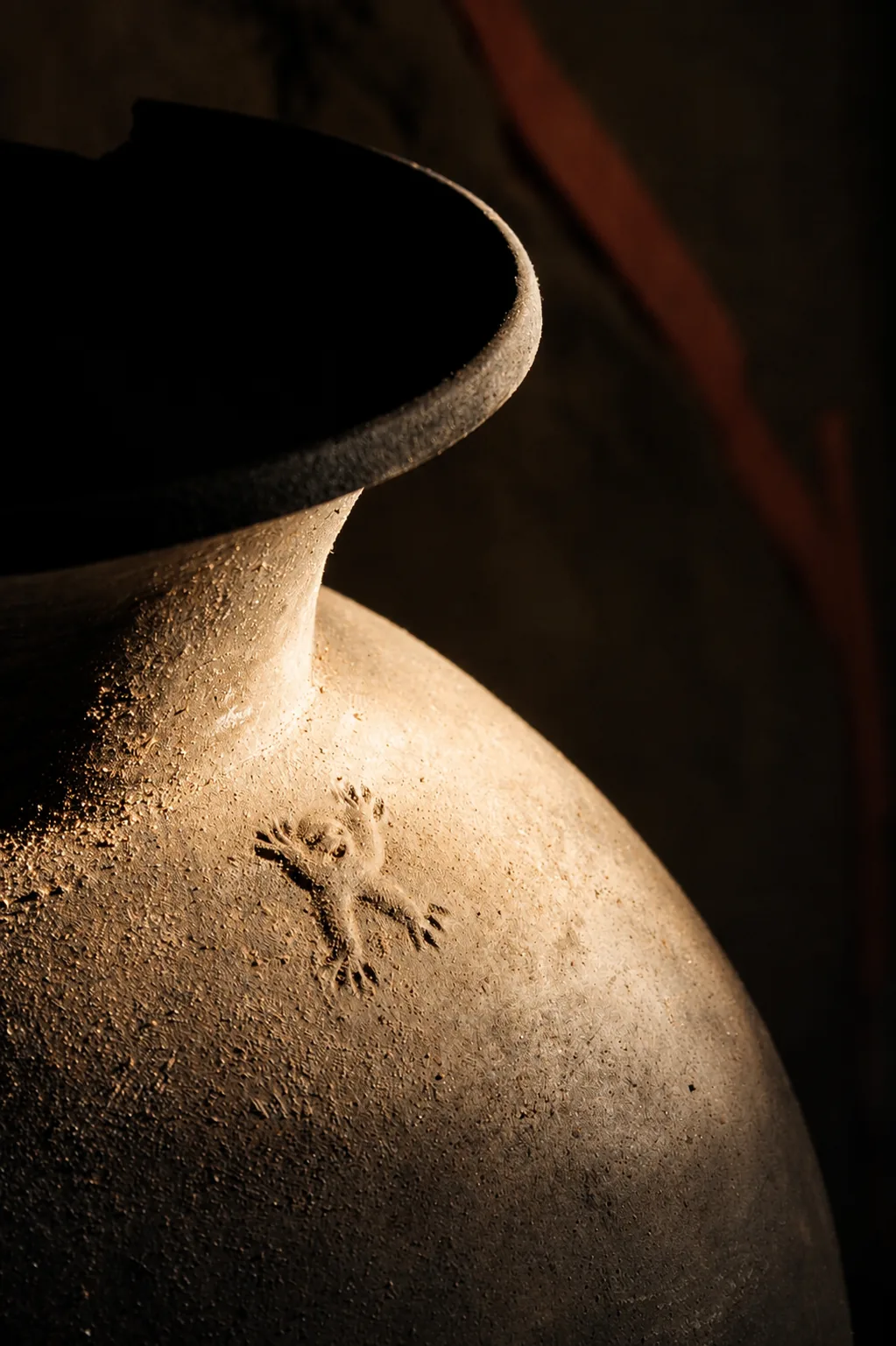
Left exactly where it was found
I stood within feet of one of the cave's most famous artifacts: a ceremonial vessel marked with a monkey-faced glyph. A hole in the vessel is interpreted as a ritual “killing” before it was left as an offering. It has sat in place for more than a thousand years, and I reached it in socks, exactly where the Maya placed it.
That is when the camera ban stopped feeling inconvenient to me. Nothing in ATM is behind glass, and its preservation depends on how carefully every small group moves through.
At a glance
This is the base I choose for the shortest transfer and the easiest full-day schedule.
San Ignacio guideSan Ignacio is a morning taxi from the Guatemala border, exit fee and all.
Border crossing guidePair ATM with the reef, Maya sites, and one slower day instead of overpacking Cayo.
Belize bucket listQuestions travelers ask
For me, yes. ATM Cave was one of the most memorable days I have had in western Belize because the journey and archaeology are inseparable: I hiked, crossed rivers, swam into the cave, and climbed to Maya ceremonial remains left in place. I recommend it only if your group can swim, manage uneven rock, and follow strict preservation rules.
I book at least a week ahead when my date is fixed, and earlier around Christmas, Easter, and the busiest dry-season weeks. Entry must be arranged in advance through a licensed tour operator, and every group needs an ATM-certified guide. I also schedule ATM early in my Cayo stay so heavy rain does not erase my only possible cave day.
For 2026, I would budget about US$110-$150 per person for a shared tour from San Ignacio. I confirm the licensed operator, ATM-certified guide, advance park ticket, pickup, life vest, helmet, headlamp, lunch, tax, and weather-cancellation terms before paying. Tours from the coast or islands cost more because transportation is much longer.
No. I leave cameras, phones, GoPros, and other recording devices in the operator's secure storage because NICH strictly prohibits them inside ATM Cave. The policy followed damage to an ancient skull by a falling camera. Rules for carrying a device on the approach can vary, so I confirm the handoff and storage point with my operator before departure.
I rate ATM Cave moderately strenuous rather than technical. The day includes a roughly 45-minute jungle hike, three river crossings, a swim at the entrance, slick boulders, a ladder, and narrow passages. NICH requires visitors to be able to swim and be in good physical health. Mobility, balance, and comfort in darkness matter more than gym-level fitness.
No. NICH requires every ATM visitor to be able to swim. The mandatory life vest adds buoyancy, but it does not replace swimming ability or comfort in deep, dark water. If someone in my group cannot swim or is likely to panic in water, I choose cave tubing or the standard Barton Creek canoe tour instead.
Parts of ATM are enormous, but I still pass through dark, narrow rock corridors with water around my body and no quick exit. Mild discomfort can be manageable with a patient guide; severe claustrophobia is a good reason to skip it. I describe the concern honestly to the operator before booking rather than hoping it disappears inside.
Not always. Heavy rain can raise the river at the crossings and inside the cave, so the Institute of Archaeology can close ATM at short notice. I confirm conditions with my operator on the morning of the tour and schedule ATM early in my San Ignacio stay. No operator can guarantee access when water conditions are unsafe.
It can be for travelers who value their own pace, want more time for archaeology questions, or are booking a group large enough to narrow the price gap. Private access does not change the route, preservation rules, swimming standard, or weather closures. For most confident travelers, a well-run shared tour with no more than six visitors per guide is the better value.
NICH publishes a minimum height of 40 inches for ATM Cave, not one universal age limit. Every visitor must also be able to swim and be in good physical health. Operators may apply stricter age or ability rules, so I share each child's age, height, swimming confidence, and activity level before booking. Cave tubing is the easier family alternative.
ATM Cave is protected within the 520.8-acre Actun Tunichil Muknal Natural Monument beside Tapir Mountain Nature Reserve, near Teakettle Village in Cayo District. From San Ignacio, I allow about 45 minutes by road and another 45 minutes on foot, including three river crossings. That is why San Ignacio is my preferred base for the tour.
The Crystal Maiden is the tourism nickname for a nearly complete, calcite-covered skeleton in ATM's upper chamber, also called the Stone Sepulcher. The mineral coating sparkles under a headlamp. The individual's sex and the exact circumstances of death are debated, so I avoid treating the familiar nickname or a sacrificial interpretation as a settled biological conclusion.
National Geographic did not publish a numbered ranking of ATM Cave. Its 2019 feature included Actun Tunichil Muknal among ten sacred caves around the world, and a separate 2018 story explored the cave with Belizean archaeologist Dr. Jaime Awe. I treat the popular 'ranked number one' claim as internet shorthand, not an official National Geographic ranking.
I wear quick-dry clothes and closed-toe shoes with dependable grip that can stay wet for hours. I bring socks for the upper chamber, a towel, and a full dry change for the ride home. I leave jewelry and recording devices behind. The operator should provide the NICH-required life vest, helmet, and headlamp, but I confirm before booking.
Most 'ATM Cave death' searches are really about the ancient human remains inside. There is one documented modern fatality on the tour: in November 2017 a 68-year-old American visitor lost consciousness during a river crossing on the approach and was pronounced dead at hospital, with no sign of foul play. I would never call the tour risk-free either: the Institute of Archaeology classifies ATM as a Class 4(B) wet cave and warns about deep or fast water, seasonal flooding, and slick, sharp boulders. Certified guides, swimming ability, life vests, helmets, and weather closures are mandatory for good reason.
Yes, but I would not choose it if I can split my stay. A San Pedro or Caye Caulker departure adds a domestic flight or water taxi plus a long road transfer to Cayo. I prefer spending at least two nights in San Ignacio, doing ATM as a straightforward day tour, then moving to the cayes for reef time.
No. When I want an easier scenic float, I choose cave tubing at Nohoch Che'en. ATM Cave is a guided hike, river crossing, swim, wade, and climb to in-situ Maya ceramics and human remains; there are no inner tubes. I choose ATM for archaeology and physical immersion, and cave tubing for mixed abilities or a lighter day.
Yes, but I treat it as an 11- to 12-hour day once road transfers are included. If ATM is a trip priority, I would travel to San Ignacio the day before, sleep there, and start fresh. A Belize City pickup is workable when that is your only base, but it adds road fatigue before and after a physically demanding cave tour.
I would not plan it. Cave return times can shift with the group, river conditions, and the operator, while flights and water taxis have fixed final departures. My safer pattern is ATM Cave, one more night in San Ignacio, then a morning transfer to San Pedro or Caye Caulker. It keeps the cave unhurried and protects the island connection.
I prefer the drier part of the year for more predictable river conditions, but no month guarantees access. Heavy rain can raise water levels and close this Class 4(B) wet cave at short notice. If I visit during wetter months, I book ATM near the beginning of my San Ignacio stay and keep a flexible backup day.
Tell the operator where you are staying, your dates, your group's swimming comfort, the shortest traveler's height, and any mobility concerns before you pay.