Loading page content.
Loading Planning Guides
Preparing itineraries, logistics, and practical travel tools.
Compiling planning guides and trip resources tailored for Belize.
Loading page content.
Loading Planning Guides
Preparing itineraries, logistics, and practical travel tools.
Compiling planning guides and trip resources tailored for Belize.
Stay in the know
Belize
before
everyone else.
Events, hidden gems, seasonal highlights, and local stories, delivered straight to your inbox before they go viral.
Loading page content.
Loading Travel Tips
Compiling essential tips and advice for visiting Belize.
Preparing destination details and local recommendations.
Keep Planning
Belize health & safety, the practical side: tap water, mosquitoes and Zika, vaccines, marine and dive hazards, clinics, and travel insurance for 2026.
How much Belize costs by travel style, with sample budgets for San Ignacio, Caye Caulker, Placencia, San Pedro, transfers, tours, food, and cash planning.
Getting around Belize made simple: water taxi schedules to the cayes, Tropic Air domestic flights, NBC bus timetables, BZE airport transfers, shuttles, and rental cars.
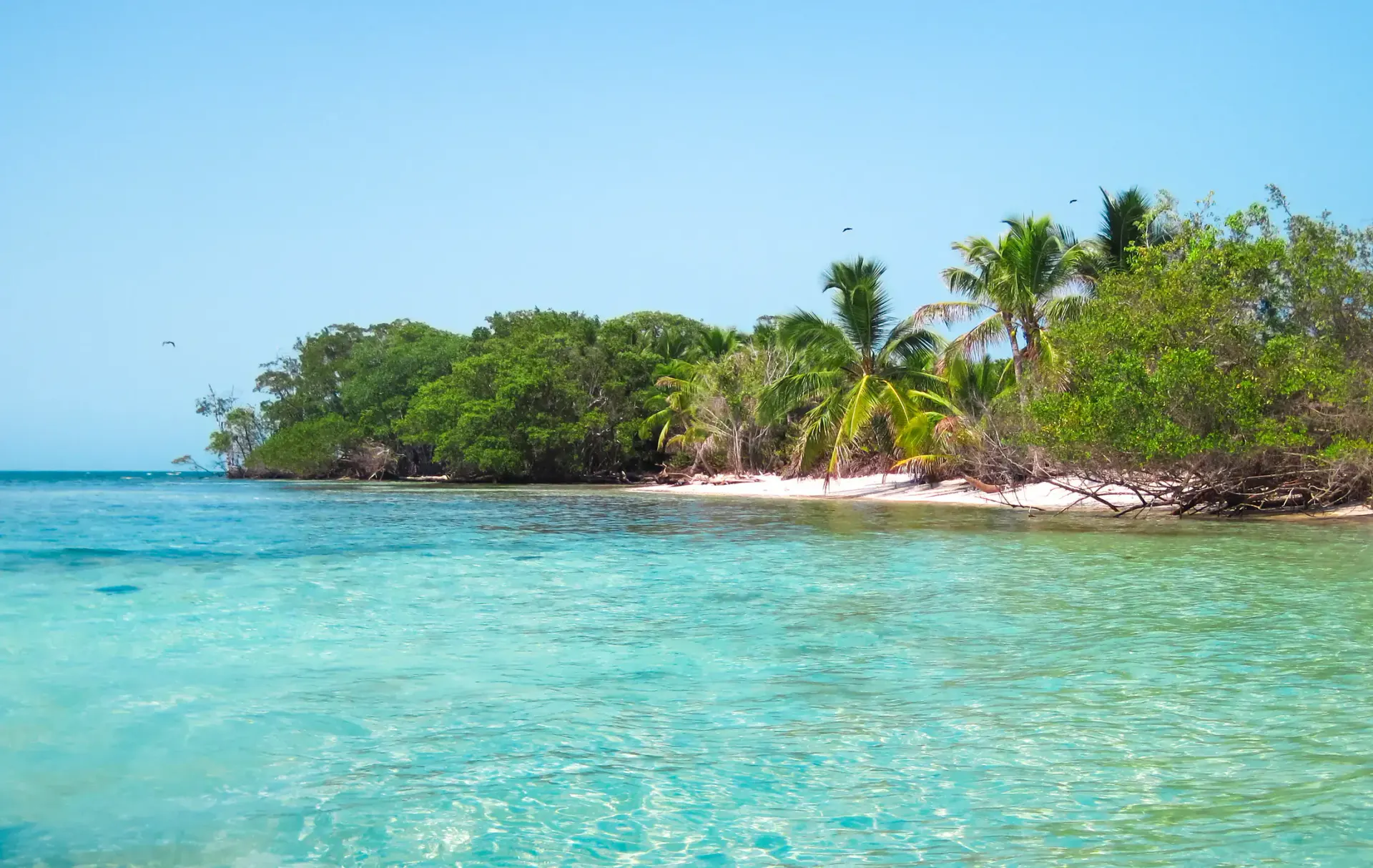
Island, beach village, or jungle town: the honest comparison and the two-base formula that works
Belize's beach or jungle question is really a how-many-bases question. The islands own the reef, Placencia and Hopkins own the southern coast, and San Ignacio owns the ruins, caves, and rivers. The trip that works pairs one coastal base with inland Cayo. Use our where to stay in Belize directory to compare real hotels after you choose the route. If safety and transport are shaping your shortlist, compare our seven established visitor bases before booking.
Reviewed by RowanLast reviewed July 17, 2026
Summer 2026 note: a heavy sargassum season is affecting some east-facing beaches. Check our live tracker before locking in a beach-first base.
The one decision that shapes your trip
Belize is small (about the size of Massachusetts), but moving between bases eats half-days, so the where-to-stay question is really a how-many-bases question. The map breaks into three worlds: the islands (Ambergris Caye and Caye Caulker) for reef, sandbars, and golf-cart life; the southern beach villages (Placencia and Hopkins) for sand-between-buildings calm with jungle day trips in reach; and inland Cayo (San Ignacio) for ruins, caves, rivers, and rainforest.
The classic mistake is trying to sample everything in a week. The trip that works is two bases: one reef, one jungle. A 7-day trip splits 4 nights island + 3 nights Cayo; a 10-day trip adds the southern coast. Every pairing connects by short domestic flight, water taxi, or a 2 to 3 hour drive.
Insider note
Book your bases in the order your flights move: land, head inland to Cayo first, finish on an island. Ending on the beach feels like a vacation; ending with a 5 a.m. transfer to the airport doesn't.
The cayes
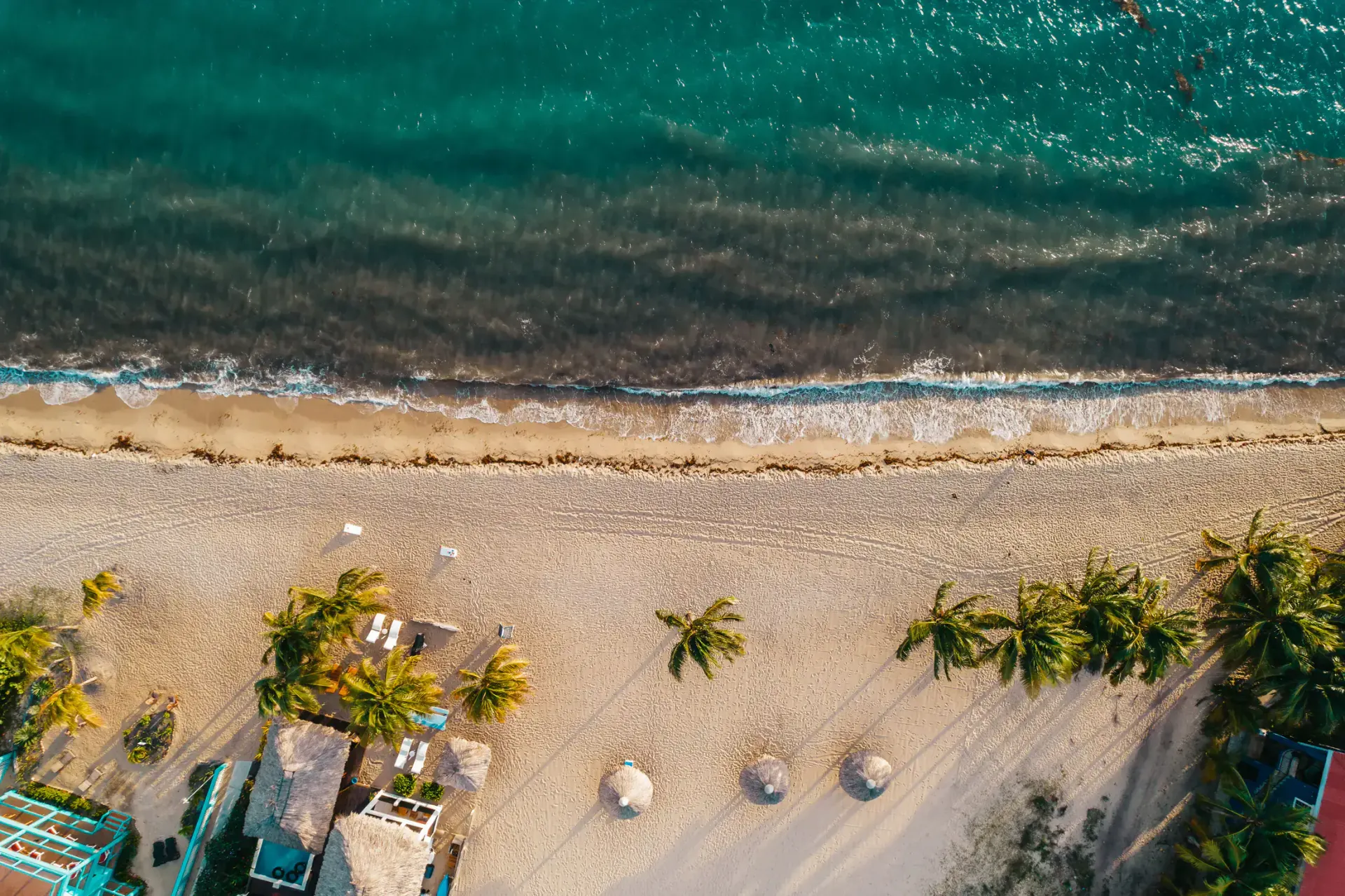
Ambergris Caye is the country's tourism engine: the widest choice of resorts and restaurants, quick boat access to Hol Chan and Shark Ray Alley, dive shops on every block of San Pedro, and Secret Beach's calm, west-facing swimming on the lagoon side. It's the right base if you want options every night and don't mind paying island prices. Resorts north of the bridge trade walkability for quiet; in-town hotels put everything within golf-cart range.
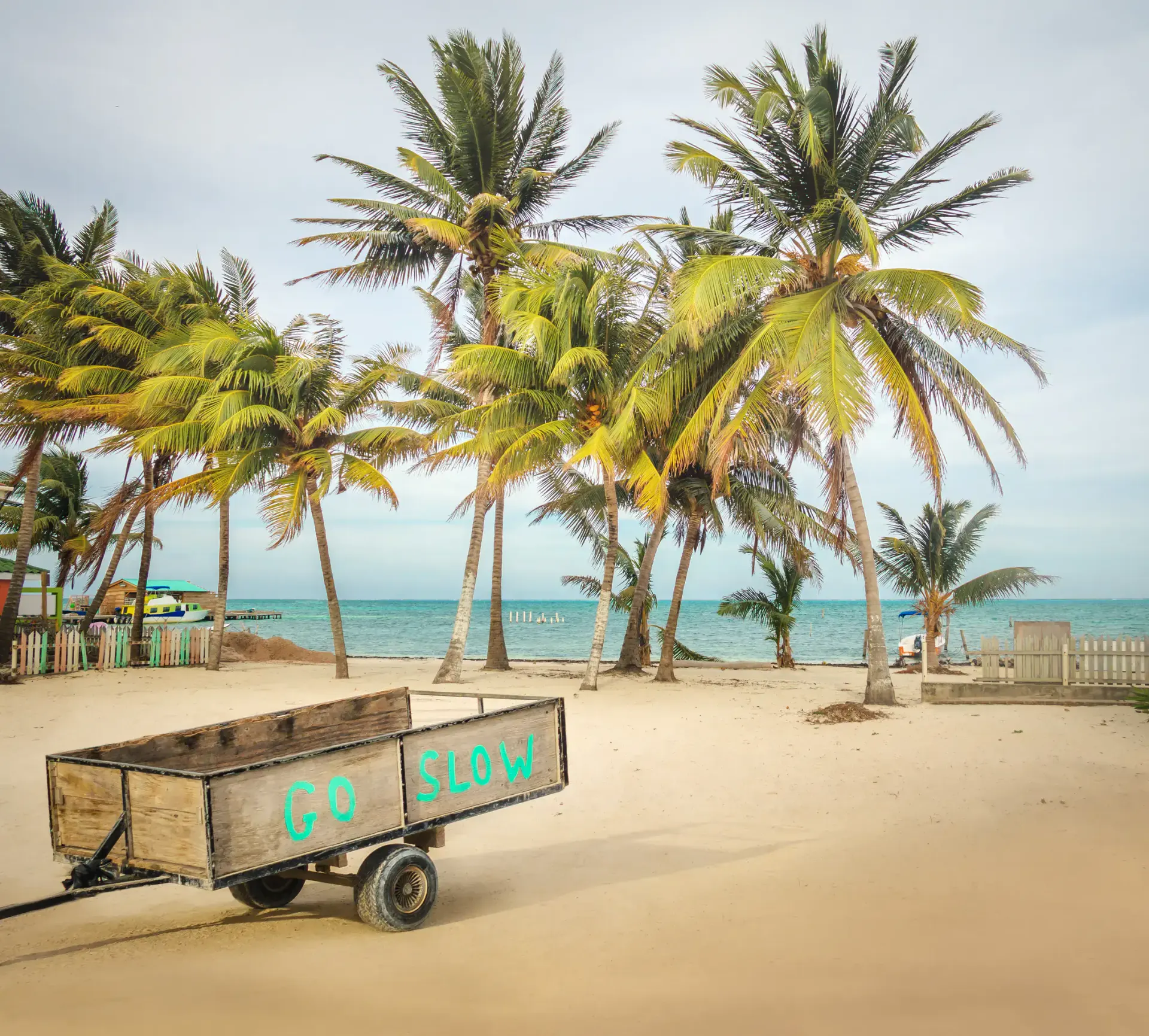
Caye Caulker is the barefoot alternative: smaller, cheaper, no cars, 'Go Slow' painted on the signs and meant literally. The snorkeling and diving leave from the same reef, but evenings are rum-shack simple rather than restaurant-scene. Backpackers, couples on a budget, and anyone allergic to resort polish tend to pick Caulker and defend it forever.
Insider note
You don't have to choose forever. The water taxi between San Pedro and Caye Caulker takes about 30 minutes, so a day trip from either island settles the debate for next time.
The southern coast
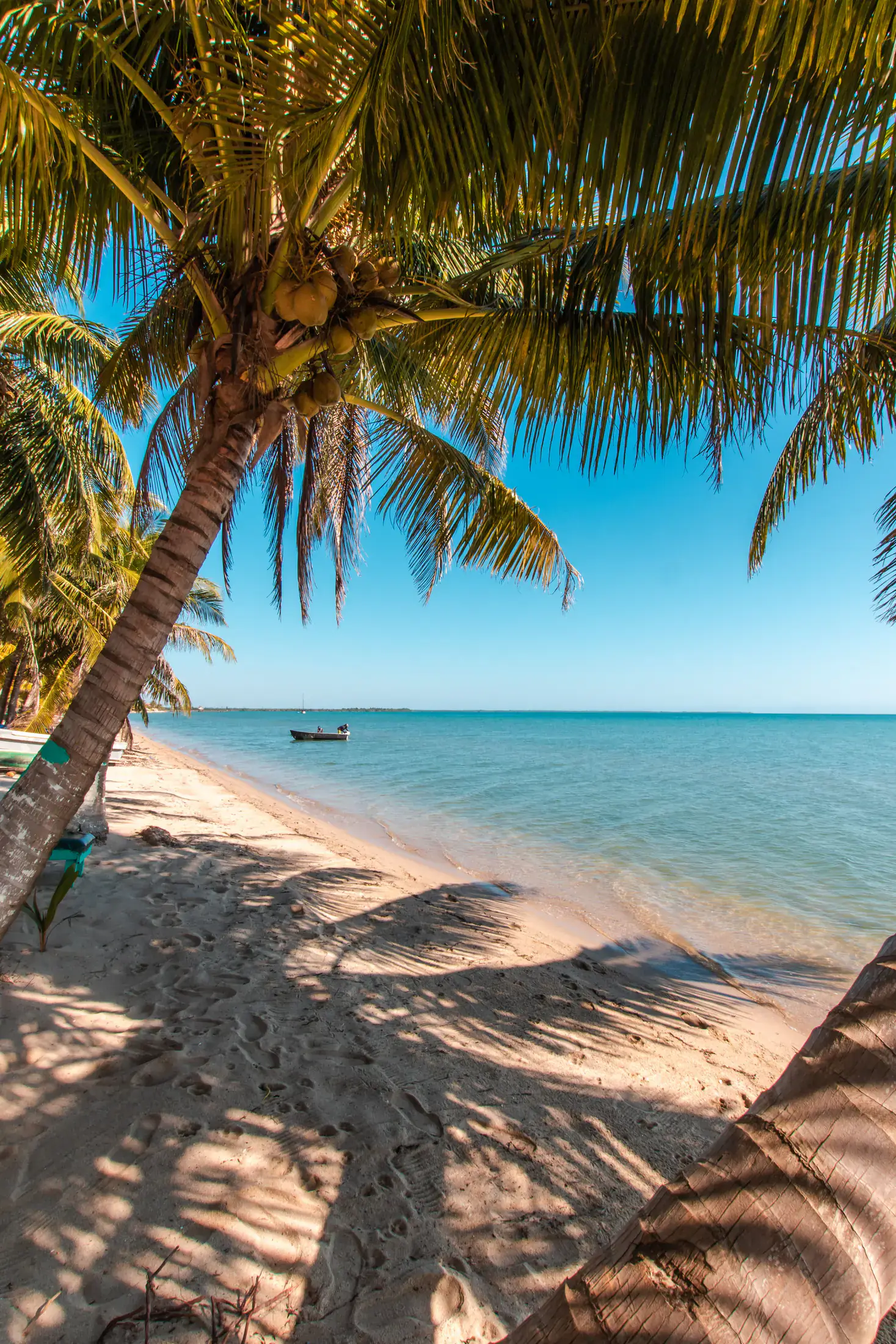
Placencia is the mainland's best beach town: a 16-mile peninsula with real sand beaches, a walkable village at the tip, and a sidewalk famous enough to have its own lore. It has grown into boutique resorts and good restaurants without losing the village feel, and it's the gateway for whale sharks at Gladden Spit (March to June) and trips to Laughing Bird Caye. Couples and honeymooners land here for a reason.
Hopkins, forty minutes north, is the cultural heart of the coast. It's a Garifuna village where drumming lessons, hudut dinners, and Garifuna Settlement Day (November 19) are lived culture, not performances. The beach is broad, resorts range from backpacker to luxury along the south end, and both Cockscomb Basin (jaguar reserve) and Mayflower Bocawina (waterfalls, zip lines) are short drives away. It's the base for travelers who rank culture and jungle access alongside their beach time.
Insider note
From either village you can reach the reef, but it's a 30 to 45 minute boat ride, so budget that into reef-day plans. Pick the islands instead if snorkeling is your daily priority.
Inland
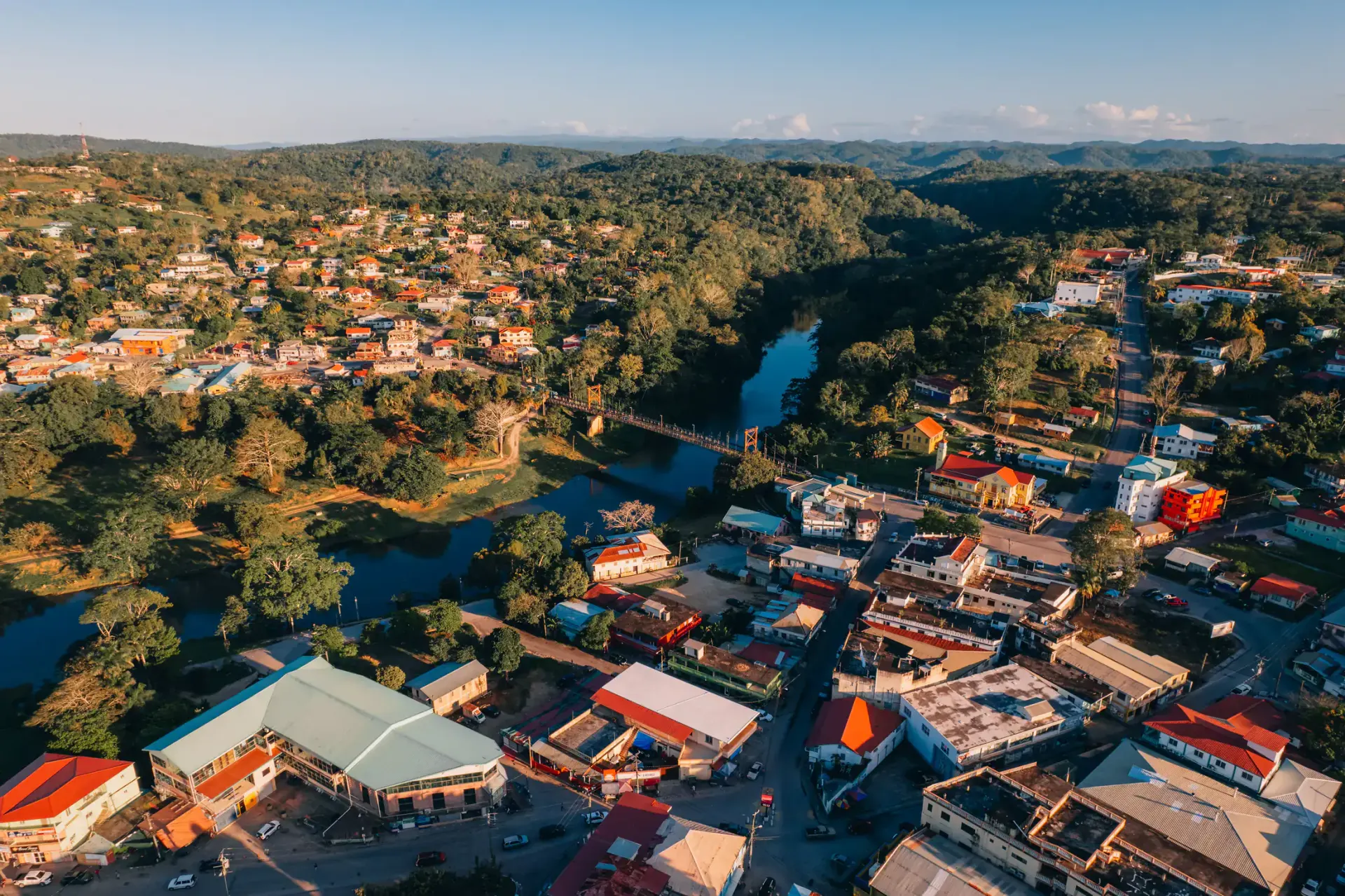
San Ignacio is the working market town at the center of Cayo District, and the single best adventure base in the country: the ATM Cave, Xunantunich, Cahal Pech, Caracol, cave tubing, Barton Creek, and day trips to Tikal in Guatemala all stage from here. Lodging runs from $30 guesthouses to world-class jungle lodges in the surrounding hills, where howler monkeys are the alarm clock.
Most itineraries give Cayo two nights and regret it. Three nights is the honest minimum if you want the ATM Cave plus one ruin plus one river day without racing. The Saturday market, riverside restaurants, and genuinely friendly town life are the parts of Belize many beach-only visitors never see, and consistently the part travelers say surprised them most.
Insider note
Jungle lodges outside town are magical but add 20 to 40 minutes each way to every tour pickup. If you're packing three big tour days into three nights, stay in or near town and save the lodge for a slower trip.
Split stay nights
Start inland, then finish by the reef. These splits follow the published 7, 10, and 14 day routes, so the hotel changes match the days rather than forcing extra transfers.
Go deeper
The island decision, settled in detail
Open guideBeach polish or Garifuna village: the southern coast call
Open guideEvery base in the country, from atolls to the deep south
Open guideThe verified examples and the flexible base plus tours alternative
Open guideQuestions travelers ask
The proven first-timer formula is two bases: San Ignacio (Cayo) for ruins, caves, and jungle, plus either Ambergris Caye or Caye Caulker for the reef. Seven days splits 3 nights inland and 4 on the island; ten days adds Placencia or Hopkins on the southern coast.
Ambergris Caye has more resorts, restaurants, dive operations, and nightlife, at higher prices. Caye Caulker is smaller, cheaper, and slower, with the same reef access. Choose Ambergris for comfort and options, Caulker for budget and barefoot charm. They're 30 minutes apart by water taxi.
Placencia for the better beach, boutique resorts, restaurants, and whale-shark trips (March to June). Hopkins for Garifuna culture, a quieter village feel, and the closest access to Cockscomb Basin and Bocawina national parks. They're 40 minutes apart, so a day trip to the other is easy.
Yes. It's the best base in the country for the ATM Cave, Xunantunich, Caracol, cave tubing, and Tikal day trips, with everything from budget guesthouses to luxury jungle lodges. Give it at least three nights; it's the half of Belize that beach-only trips miss.
Only if you need an airport overnight for an early flight. Belize City is a transit point, not a destination: most travelers land and connect straight to the islands or inland. If you do overnight, choose a hotel north of Haulover Creek near the airport corridor.
Two bases for a week, three for ten days or more. Belize is small but transfers consume half-days, and one-night stops mean living out of a bag. Two well-chosen bases (one reef, one jungle) beat four rushed ones every time.
Pick your reef base, pick your jungle base, and let the country fill in the rest. It is small enough that nothing is far.