Language
English
Official language
Loading page content.
Loading Planning Guides
Preparing itineraries, logistics, and practical travel tools.
Compiling planning guides and trip resources tailored for Belize.
Stay in the know
Belize
before
everyone else.
Events, hidden gems, seasonal highlights, and local stories, delivered straight to your inbox before they go viral.
Loading page content.
Loading Travel Tips
Compiling essential tips and advice for visiting Belize.
Preparing destination details and local recommendations.
Keep Planning
Belize health & safety, the practical side: tap water, mosquitoes and Zika, vaccines, marine and dive hazards, clinics, and travel insurance for 2026.
How much Belize costs by travel style, with sample budgets for San Ignacio, Caye Caulker, Placencia, San Pedro, transfers, tours, food, and cash planning.
Getting around Belize made simple: water taxi schedules to the cayes, Tropic Air domestic flights, NBC bus timetables, BZE airport transfers, shuttles, and rental cars.
Entry basics, packing, money, reef etiquette, connectivity, and more, the practical details that make the difference on the ground.
The Belize questions that come up again and again are not glamorous: visas, cash, departure fees, drinking water, mosquitoes, sargassum, border crossings, and how much buffer to leave around transfers. This guide stays focused on those practical details so your trip is smoother once you land.
Language
English
Official language
Money
BZ$2 = US$1
Fixed exchange rate
Water
Treat or buy
Lowest-risk choice
Emergency
911
Use for real emergencies
Hurricane
Jun 1-Nov 30
Build in flexible days
Last reviewed March 9, 2026. Includes iDeclare form, fee guidance, connectivity, etiquette, and lost-passport guidance.
Researched against official Belize, U.S. government, WHO, and CDC sources. Departure fees, entry procedures, travel advisories, and health notices can change faster than evergreen packing advice. Recheck official sources when you book and again 48 hours before departure.
Beach days need mineral sunscreen, a rash guard, water shoes, and a dry bag. Jungle days need EPA-registered repellent, lightweight coverage, trail shoes, and electrolytes. Keep a digital passport backup, small bills, and a power bank within reach.
Read More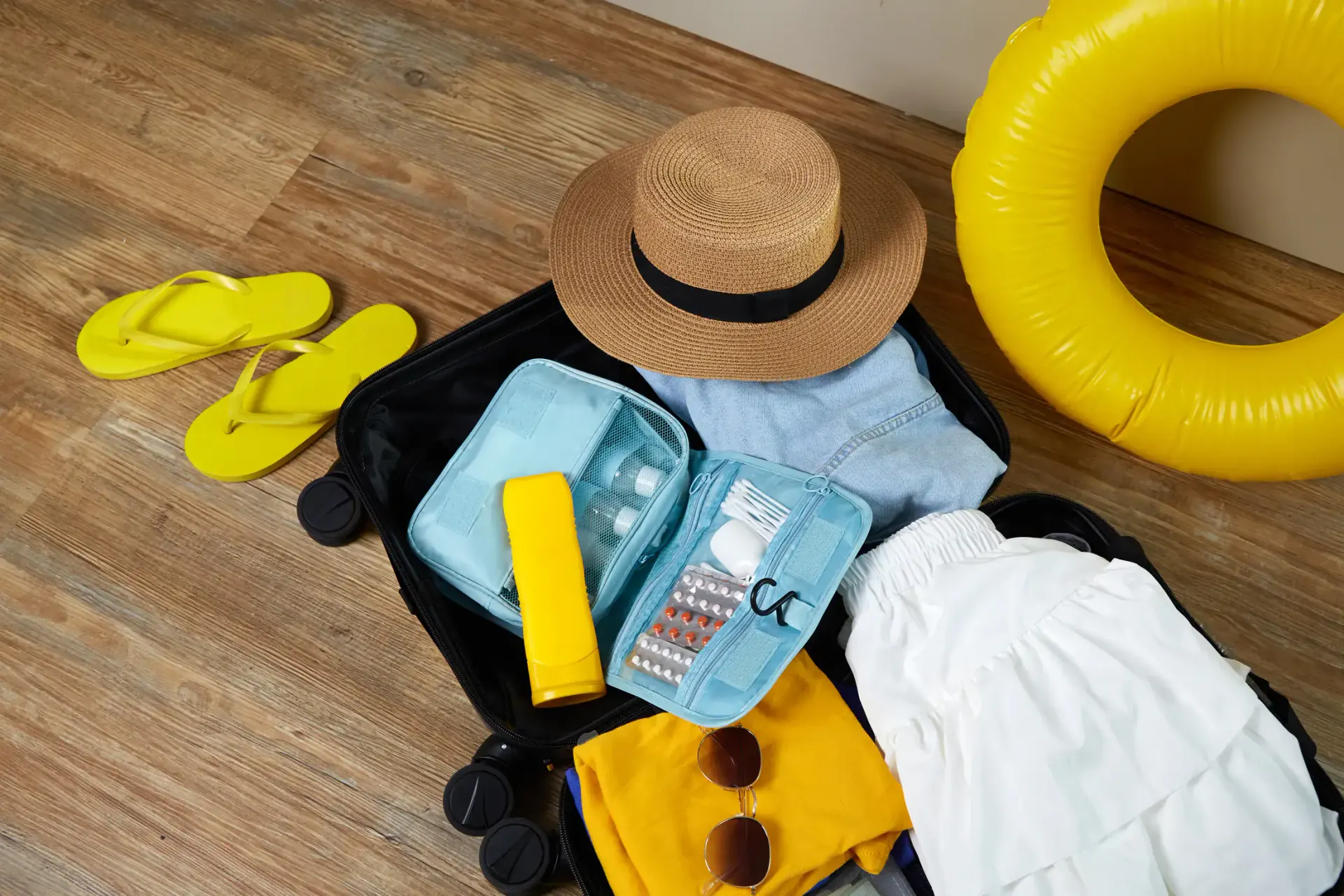
Use these practical lists and etiquette reminders before departure.
If your day combines transfers and an excursion, pack for delays and weather shifts rather than just the main activity. Keep water, electrolytes, one dry change, sun protection, bug protection, and your power bank where you can reach them fast.
Cash timing, reef etiquette, and treated water matter as much as the big itinerary choices.
See ItinerariesEntry Basics
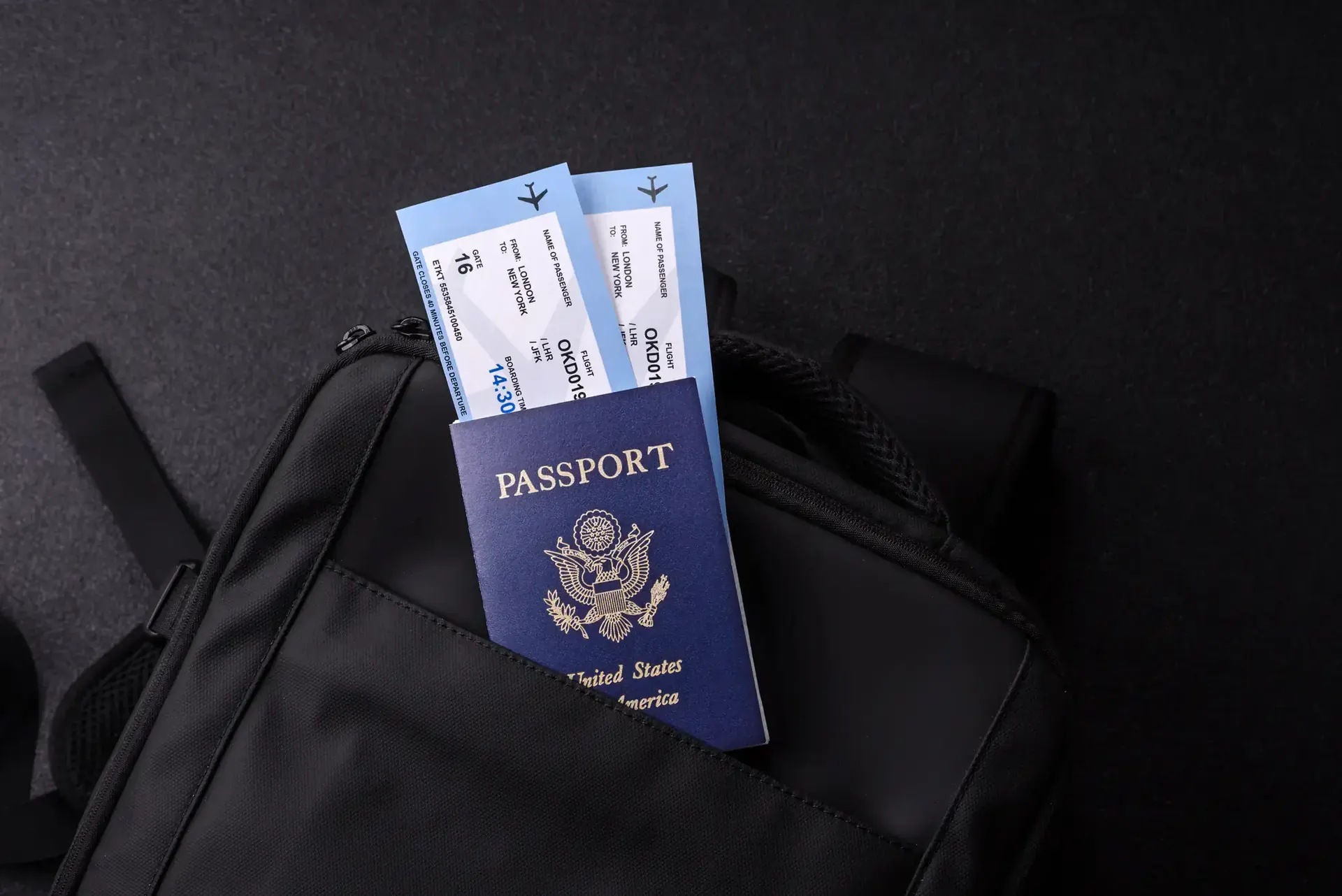
Belize entry is usually straightforward for U.S. travelers, but the practical details still matter: passport validity, proof of onward travel, and your online entry form.
Money & Tipping
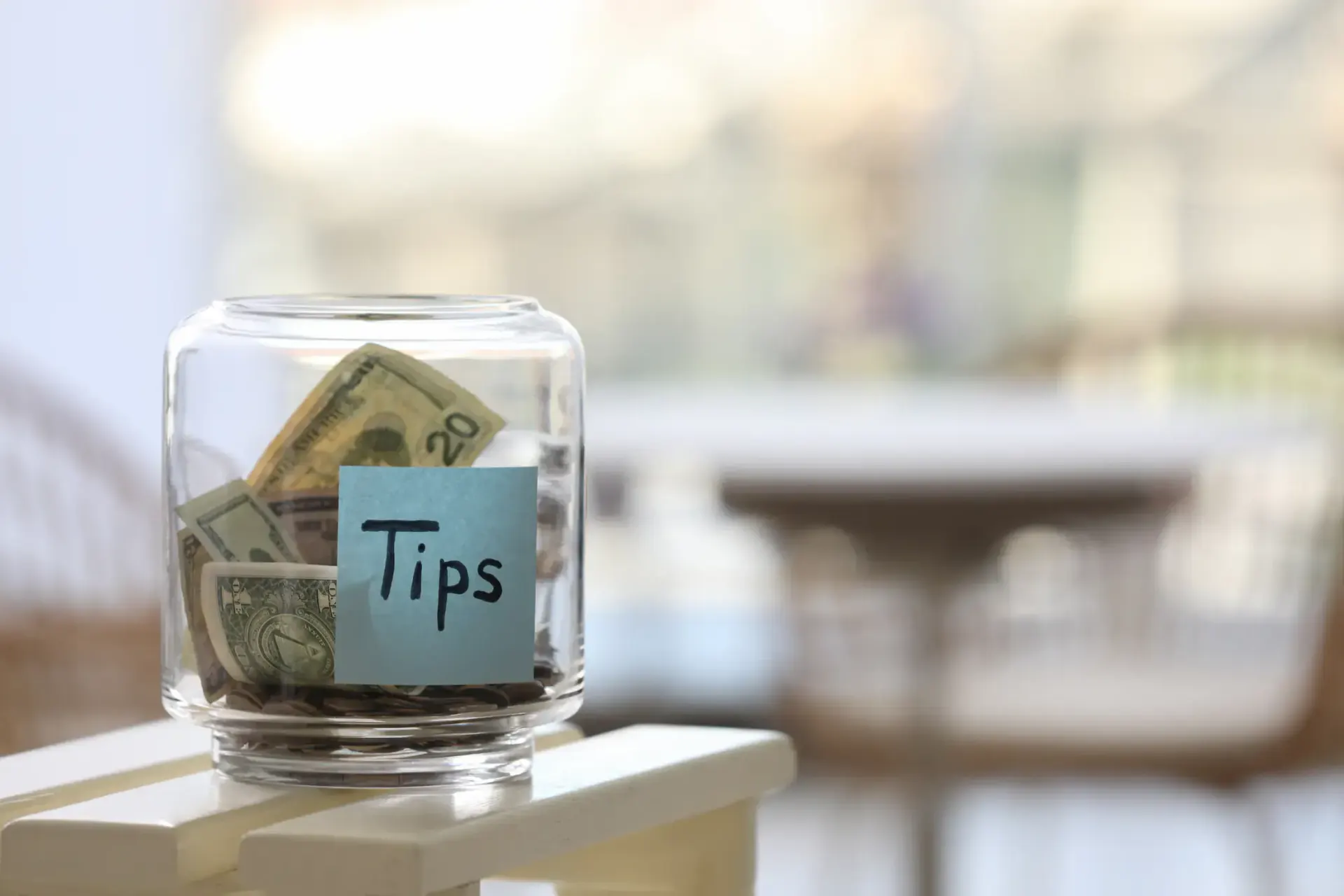
Cash and budget questions are some of the most repeated Belize planning pain points. Travelers usually get tripped up by small bills, surprise transfer costs, border fees, and the fact that some bases cost noticeably more than others.
Safety
There is no official safest-town ranking. Compare seven established visitor bases by setting, transport, medical access, traveler fit, and the caution that matters most on the ground.
Reef Travel
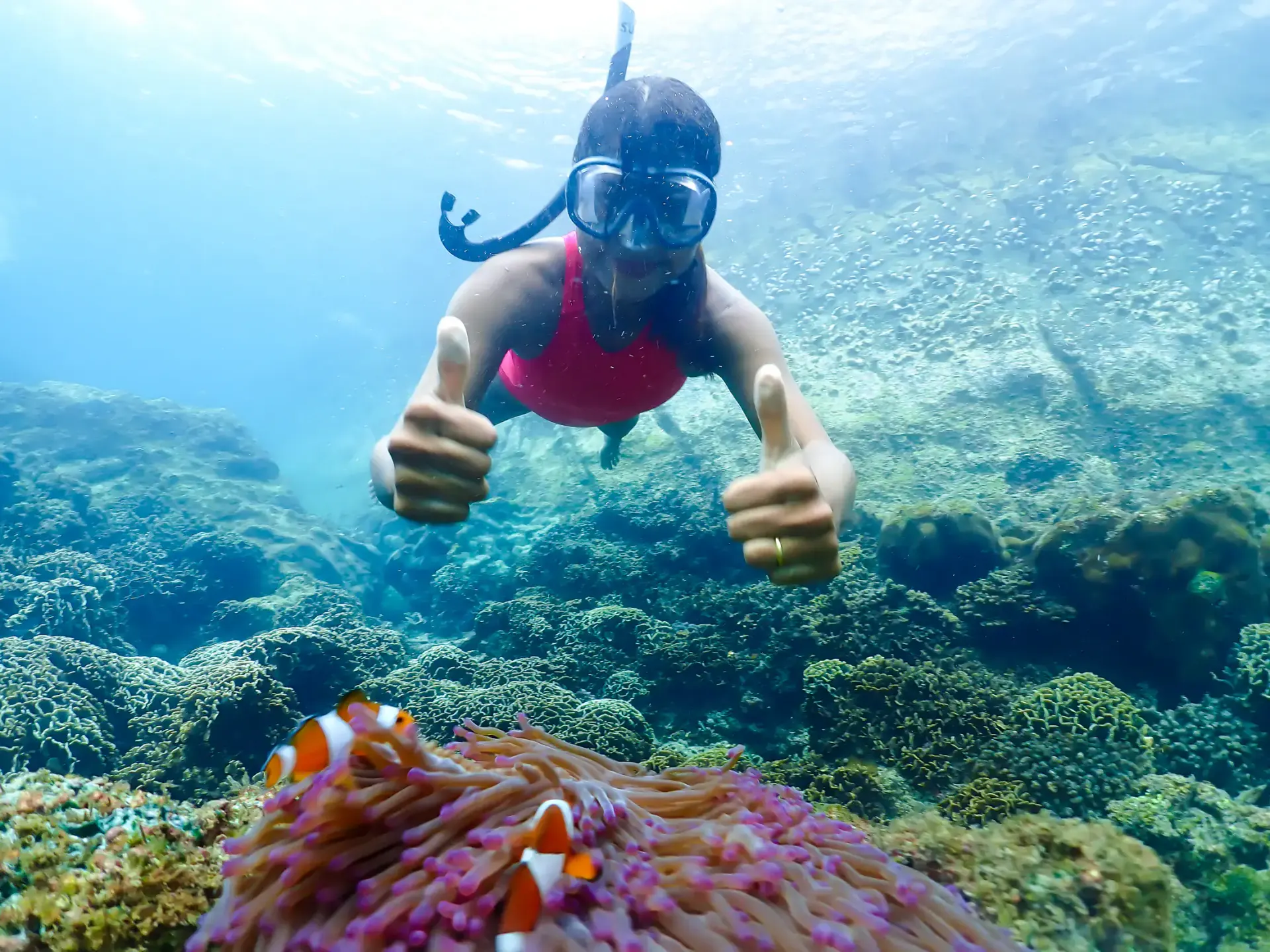
Belize's reef protections and customs rules are stricter than many travelers expect. The easiest approach is to think in categories, not souvenir exceptions.
Connectivity
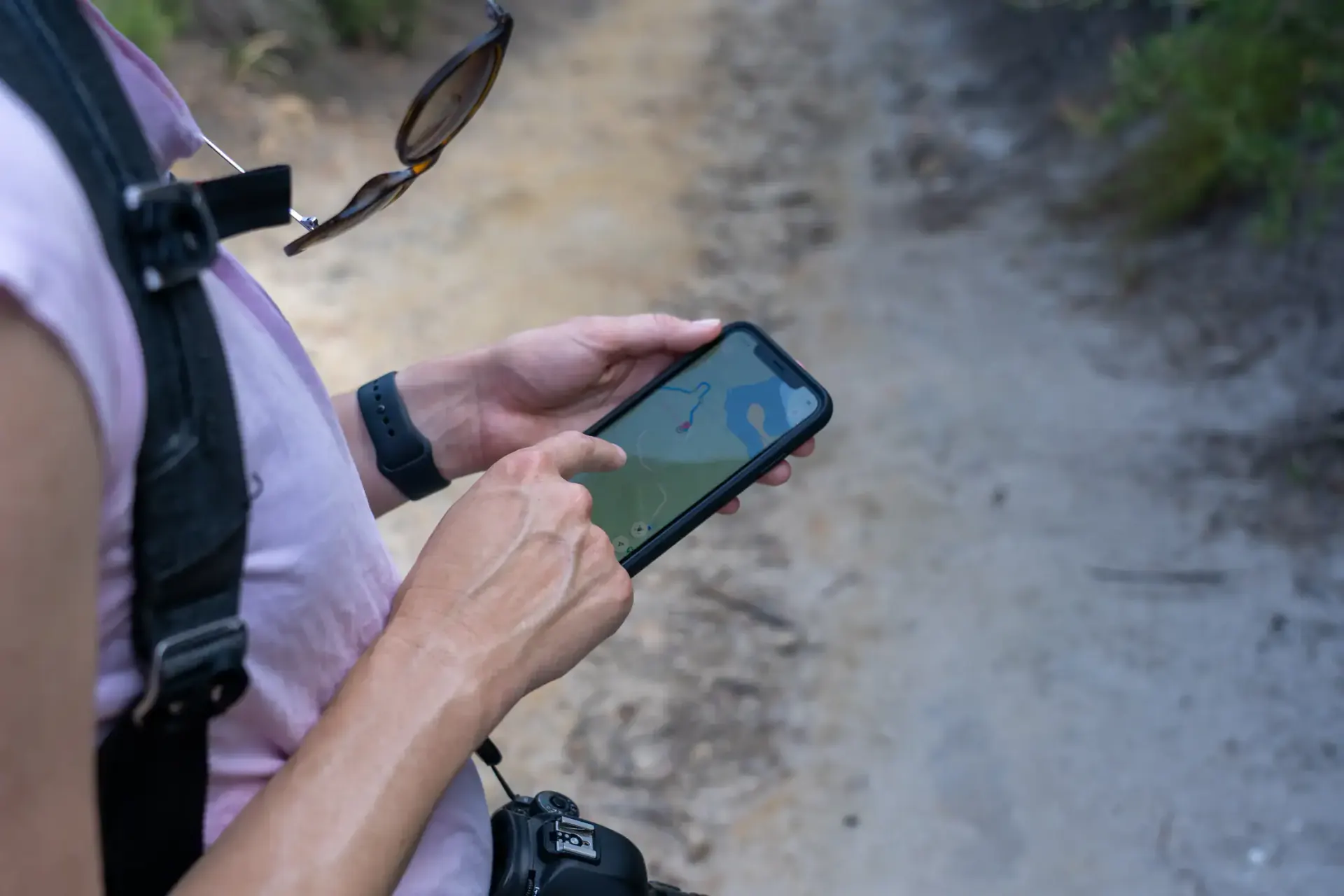
A few small preparations turn a lot of potential friction into non-issues: the right SIM card, an offline map, and knowing what plug to bring.
Etiquette
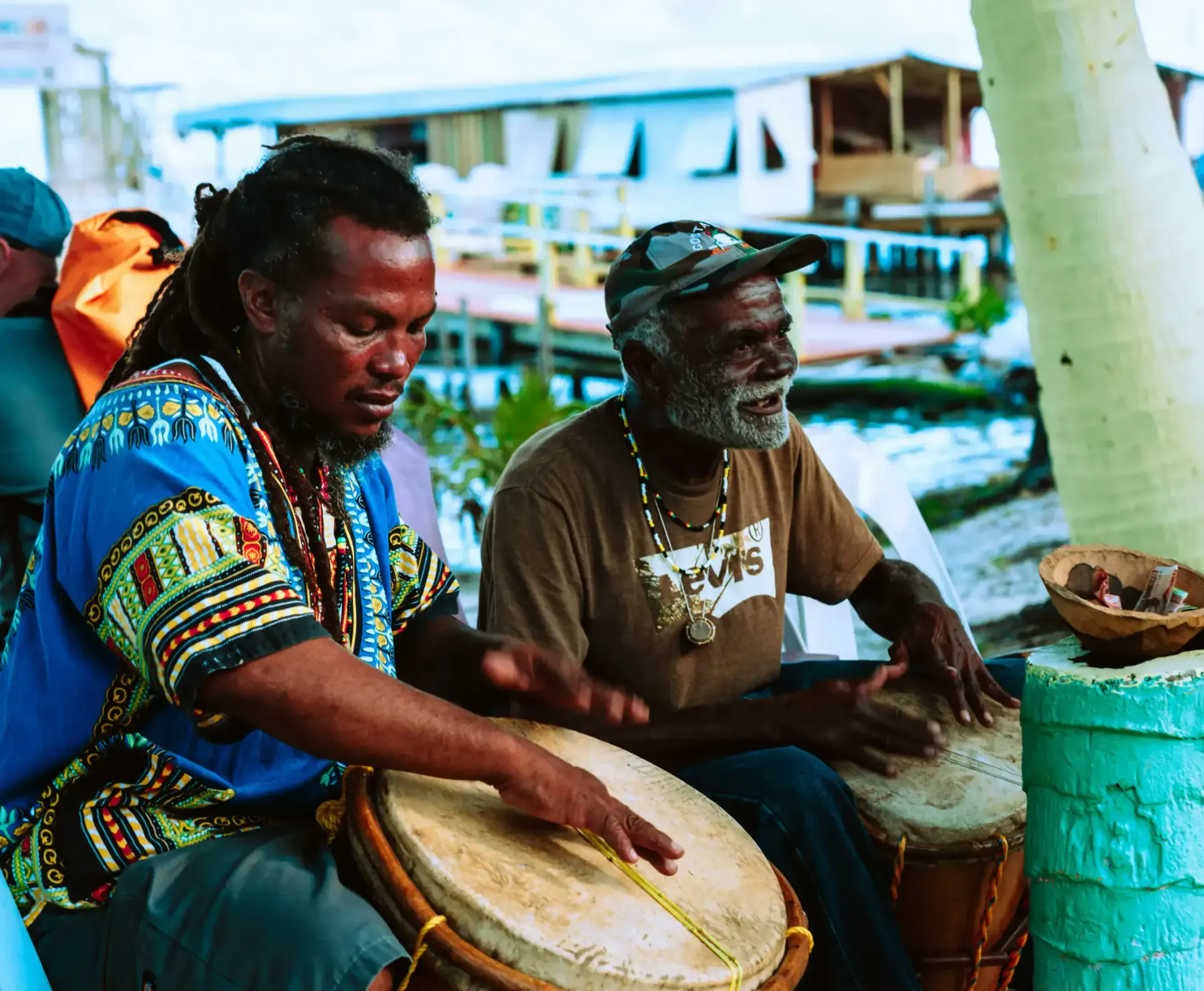
Belize is a diverse country, and Maya, Garifuna, Kriol, Mestizo, Creole, and Mennonite communities all have their own customs. A little situational awareness goes a long way.
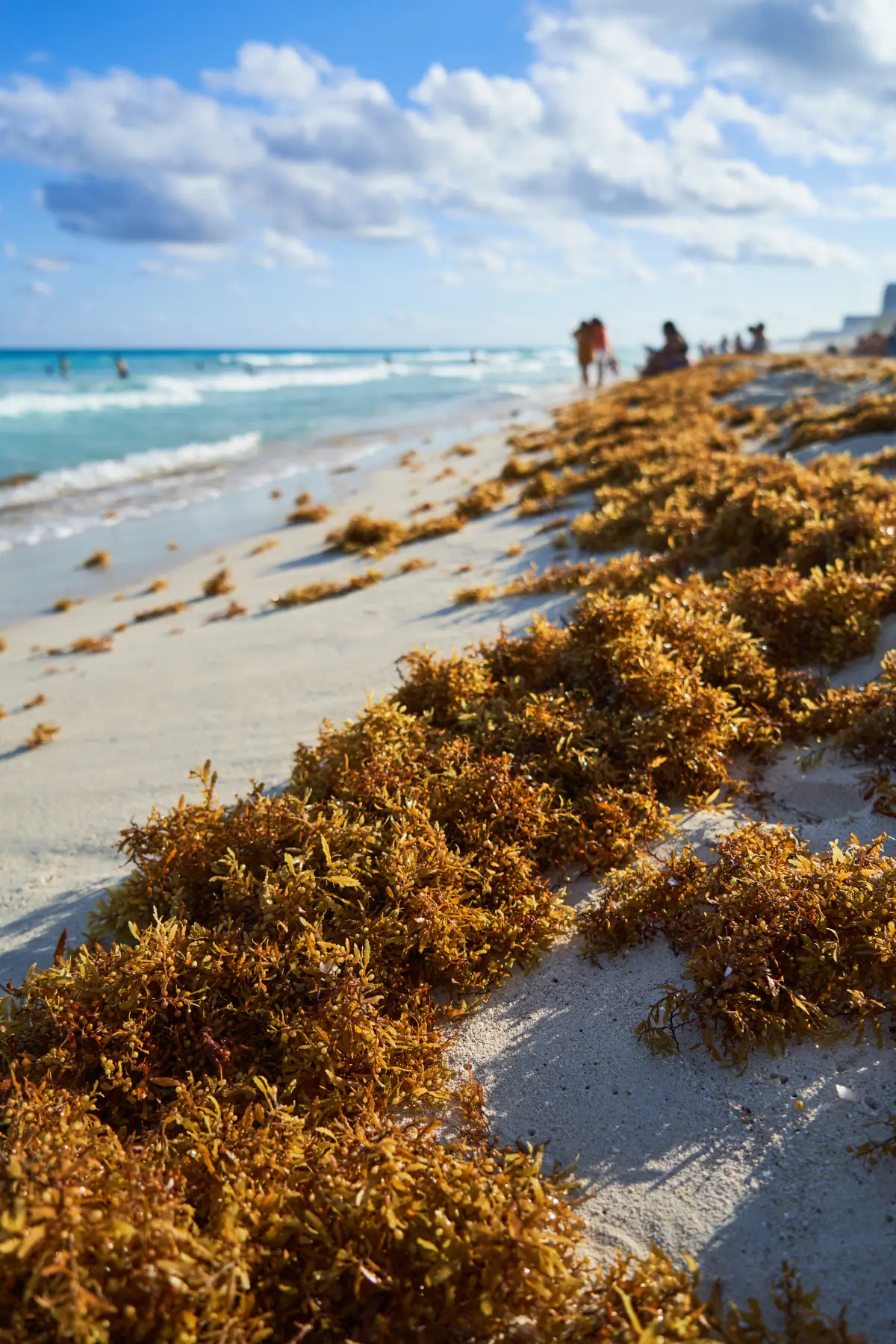
Seasonal Conditions
Sargassum arrives on east-facing beaches June through October. The reef, lagoons, and rivers are unaffected, and a pool day or short reef trip is often enough to salvage the day.
Last reviewed March 9, 2026. Includes iDeclare form, fee guidance, connectivity, etiquette, and lost-passport guidance.
This section now pulls from official Belize, CDC, WHO, NOAA, and U.S. State Department guidance rather than general travel-blog summaries.
If your trip was booked months ago, do one final official-source check 48 hours before departure, especially for fees, advisories, and health notices.
Travel Belize
Entry basics and departure-fee references
U.S. State Department
Entry, safety, emergency-response, and carbon monoxide guidance
CDC Yellow Book
Tap-water guidance, vaccine context, leptospirosis, Zika, and malaria-free note
CDC Traveler View
Current destination health notices, vaccines, and bite-avoidance guidance
WHO
Belize malaria-free certification
Central Bank
Official BZ$2.00 to US$1.00 buying-rate notice
Fisheries Dept.
Coral, turtle-shell, and marine-species rules
BAHA Quarantine
Agricultural import requirements and non-compliance outcomes
Belize Customs
Restricted-goods schedule including artifacts and archaeological items
NOAA / NHC
Atlantic hurricane-season dates and climatology
Questions travelers ask
U.S., Canadian, EU, and CARICOM citizens do not need a visa for stays of 30 days or less. Travelers with valid U.S. residency permits or Schengen visas may also enter for 30 days. Make sure your passport is valid at least 3 months beyond your arrival date, and remember that airlines often want 6 months. Complete the free iDeclare digital immigration form at ideclare.gov.bz before you fly. Carry proof of onward or return travel and sufficient funds.
February through May is the driest, easiest-weather stretch. June through December is wetter, and Atlantic hurricane season runs June 1 through November 30. Green season brings lower prices, fewer crowds, and lush landscapes, but the trade-off is heavier rain and occasional tour cancellations.
The Belize Dollar (BZD) is fixed at BZ$2.00 to US$1.00, and USD is accepted almost everywhere. Avoid exchanging at home because rates are usually poor. Use an ATM on arrival or exchange at a bank. Carry small USD bills because notes over US$20 can be hard to break, and expect change in BZD even when paying in USD.
Think about Belize by base, not just by country. San Ignacio and Caye Caulker are usually the easiest places to keep costs under control. San Pedro runs higher once you add golf carts, larger restaurant bills, and busier tour pricing. Placencia sits in the middle but can jump quickly with beachfront stays and long boat days. The hidden budget line is transport: flights, water taxis, shuttles, and private transfers can change the total just as much as the room rate.
Check your bill first because a service charge is sometimes already included. If not, 10 to 15% is standard at restaurants. For tour guides, tips depend on the length and quality of the day. Taxi drivers do not typically expect tips, but rounding up is appreciated. Water taxi crew and hotel housekeeping also appreciate small cash tips.
It depends on your itinerary. If you are staying on the cayes, a car is useless because golf carts and water taxis are the only practical options there. On the mainland, a rental gives you flexibility for places like San Ignacio, the Hummingbird Highway, and some remote lodges. Buses connect major hubs cheaply but slowly.
Avoid undeclared plants, fruit, meat, animal products, and other regulated agricultural items unless you have the required permits. Also avoid coral, turtle-shell items, wildlife products, and archaeological pieces. Belize can detain, refuse, confiscate, or destroy non-compliant goods and can assess penalties.
Use ATMs inside banks, hotels, or supermarkets rather than standalone street machines because card skimming does happen at tourist-facing ATMs. Withdraw enough cash before heading to remote areas or the cayes, where ATMs can be unreliable or absent. Notify your bank before travel and always shield your PIN.
If flying out internationally, airport departure taxes are often included in your airline ticket, but not always. Check your booking confirmation before travel day. If you are leaving overland to Guatemala or Mexico, expect to pay an exit fee in cash at the border and recheck the current amount shortly before you go.
Most travelers are really deciding between a domestic flight from BZE and a water taxi from the Belize City Marine Terminal. Water taxis are the value option if you land early and have enough buffer to clear immigration, collect bags, and take a taxi into the city. Flights are the safer move when your arrival is later in the day, when you are carrying more luggage, or when missing the last boat would cost you your first night.
Contact the U.S. Embassy in Belmopan immediately at +501-822-4011, including for after-hours emergencies. You will need to file a police report before an emergency passport can be issued. Bring any copies of your passport you have because a digital copy on your phone or a printed backup kept separately from the original can speed up the process. Other travelers should contact their own embassy or consulate.
The two main carriers are Digicell and Smart (formerly BTL). Both sell prepaid SIM cards at the airport and at convenience stores throughout the country, often with a small data bundle included. Digicell generally offers broader national coverage, while Smart can be stronger in some southern areas. Some home carriers also include Belize in international travel passes. Always download offline maps before relying on data in rural areas, caves, or remote cayes.
Travelers regularly report conflicting border-hour information online, which is exactly why this keeps coming up in Belize planning threads. Recheck the latest hours with official or very recent local sources 24 to 48 hours before you cross, and confirm the timing again with your shuttle, driver, or hotel if the day matters. If you are trying to connect the same day to San Ignacio, Corozal, Chetumal, or an island boat, build extra slack instead of planning to the minute.
No, if you are from the United States or Canada. Belize uses the same 110V/60Hz power standard with standard two-prong and three-prong North American outlets. Travelers from the UK, Europe, or Australia will need a Type A/B adapter. A small surge protector strip is a good idea for laptops and sensitive electronics due to occasional power fluctuations, especially in more remote areas.
Yes. Sargassum is mostly a shoreline issue on east-facing beaches, and travelers ask about it most often for Hopkins and Placencia. Reef trips usually remain much less affected than the beach itself, which is why many visitors still enjoy snorkel or dive days during sargassum periods. If beach time matters most, plan a fallback around pools, reef outings, Secret Beach, or The Split rather than assuming the whole trip is ruined.
Yes, with adjusted expectations. September is peak hurricane season and the heart of sargassum season, but also the month with the lowest prices (20 to 40% off peak), greenest jungle, and fewest tourists. Hurricane risk is real but manageable with travel insurance and flexible bookings. Reef snorkelling is unaffected, cave tours are excellent, and wildlife sightings are at their most active.
Belize tourist stays are initially granted for 30 days. You can extend your stay at a local immigration office before your current stamp expires, paying a monthly extension fee. If you overstay without extending, you are subject to a fine when you depart. The fine amount increases with the length of the overstay and must be paid before you can leave the country. Immigration officers at the airport and land borders check stamp dates, so there is no way to avoid it at departure. Extending before you expire is much cheaper and simpler than dealing with an overstay fee.
Yes. Tourists can extend their initial 30-day stamp at an immigration office in Belize City or in Belmopan. Each extension buys another month of legal stay and costs a fee set by the Immigration Department. There is a practical ceiling on how long you can keep renewing, and immigration officers have discretion, so very long consecutive extensions sometimes receive more scrutiny. If you plan a long stay, keep copies of your extensions and apply before each stamp expires rather than leaving it to the last day.
Use these tips with your itinerary and budget plan to travel Belize with confidence.