Emergency
911
Police, fire, and ambulance nationwide
Loading page content.
Loading Planning Guides
Preparing itineraries, logistics, and practical travel tools.
Compiling planning guides and trip resources tailored for Belize.
Stay in the know
Belize
before
everyone else.
Events, hidden gems, seasonal highlights, and local stories, delivered straight to your inbox before they go viral.
Loading page content.
Loading Health & Safety
Preparing health, safety, and travel insurance guides.
Preparing destination details and local recommendations.
Keep Planning
Entry basics, money, departure fees, packing, connectivity, sargassum, and other Belize travel questions that come up again and again.
Things to do in Belize you can actually book: snorkeling at Hol Chan, the ATM Cave, Maya ruins, ziplining, fishing, and food tours, all via Viator.
Certified Belize tour guides for ATM Cave, Maya ruins, reef trips, wildlife outings, and private day tours across the country.

The practical side: tap water, mosquitoes, vaccines, marine and dive safety, medical care, insurance, and what to pack
Belize health planning centers on treated water, vaccines, mosquito and sand-fly protection, sun and marine hazards, medical access, and insurance that covers evacuation. This guide keeps those health questions together so crime advisories and town comparisons can stay in their dedicated guides.
Emergency
911
Police, fire, and ambulance nationwide
Tourism Police
0-800-922-8932
Toll-free, 24/7, English-speaking
U.S. Embassy
+501-822-4011
Belmopan, emergency assistance for U.S. citizens
Main Hospital
+501-223-1548
Karl Heusner Memorial, only trauma centre in Belize
Private Clinic
+501-223-0302
Belize Medical Associates, preferred by travelers
State Dept Level
Level 2
Overall Belize; Level 3 for Belize City Southside only
Last reviewed September 1, 2026
Researched against official U.S. State Department, CDC, WHO, and PAHO sources. Core health guidance and emergency resources were reviewed September 1, 2026. Travel advisories, hospital contacts, and health notices can change quickly. Recheck the U.S. State Department and CDC sources when you book and again 48 hours before departure.
Medical Prep
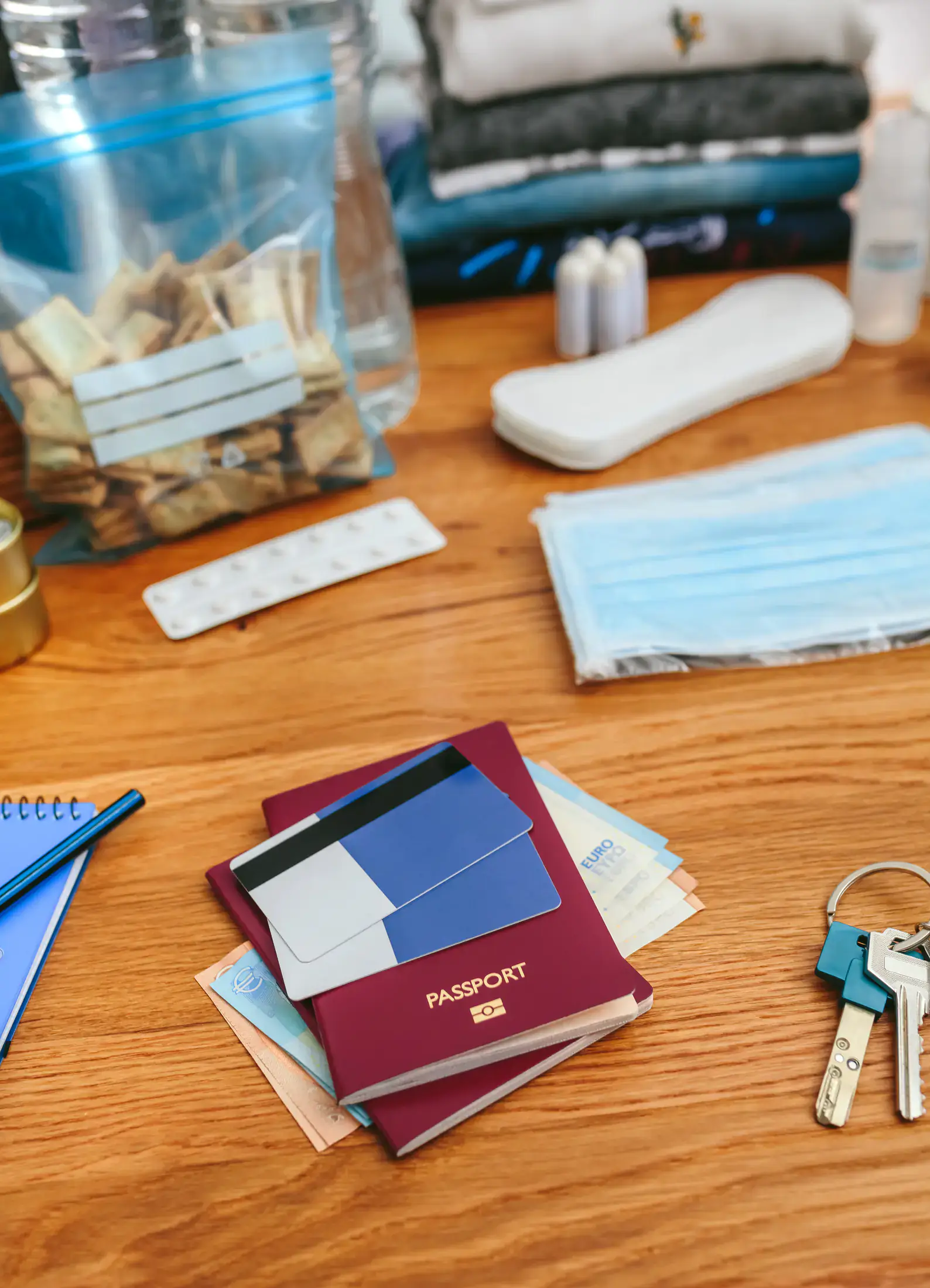
Belize travel prep is less about complicated medication routines and more about a few key vaccines, treated water, and the right insurance, since advanced care outside Belize City is limited.
Natural Hazards
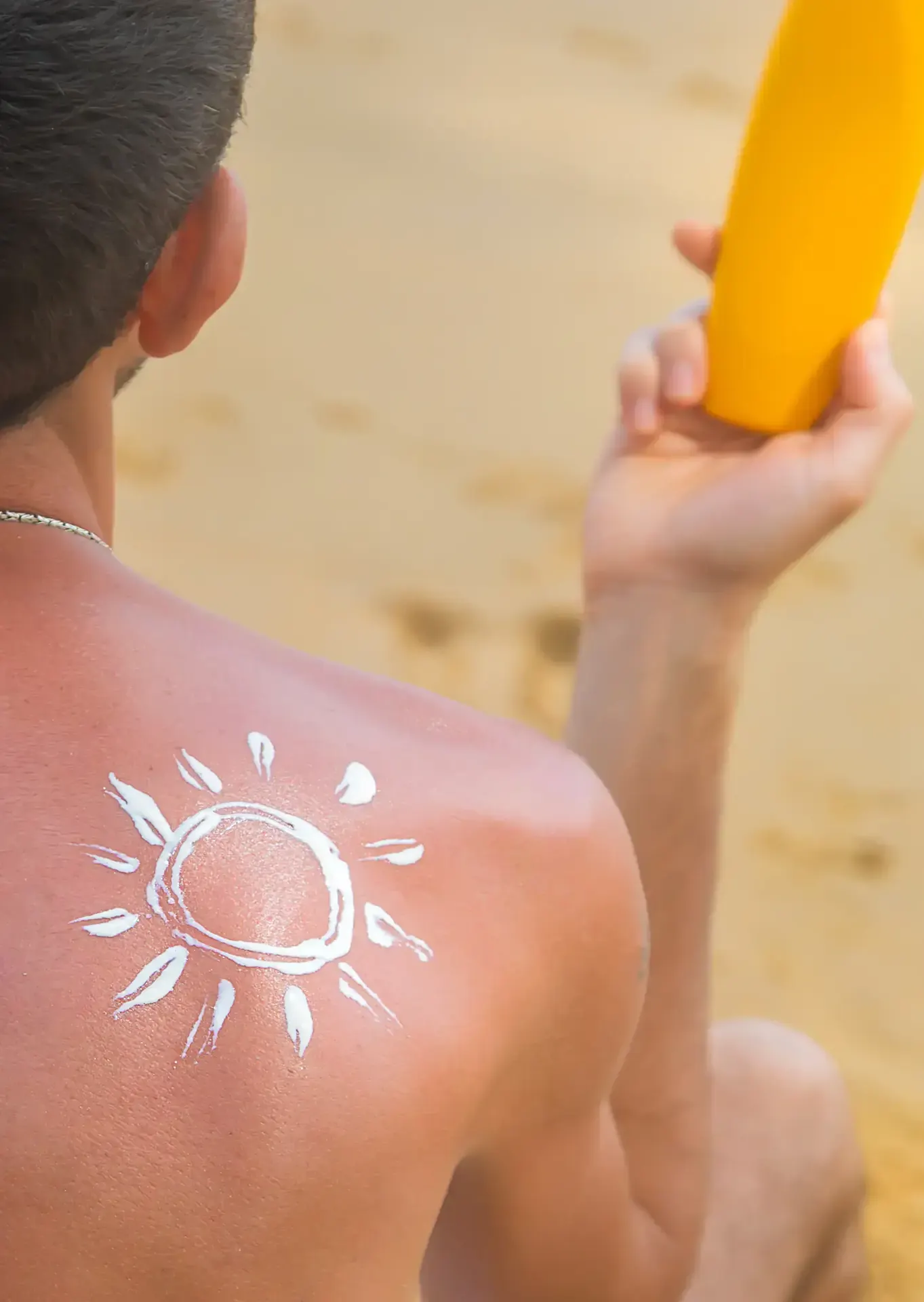
Belize's tropical environment comes with a few real hazards, sun intensity, mosquito-borne illness, leptospirosis risk in freshwater, and rip currents on exposed beaches. Each one is manageable with the right prep.
Marine Safety
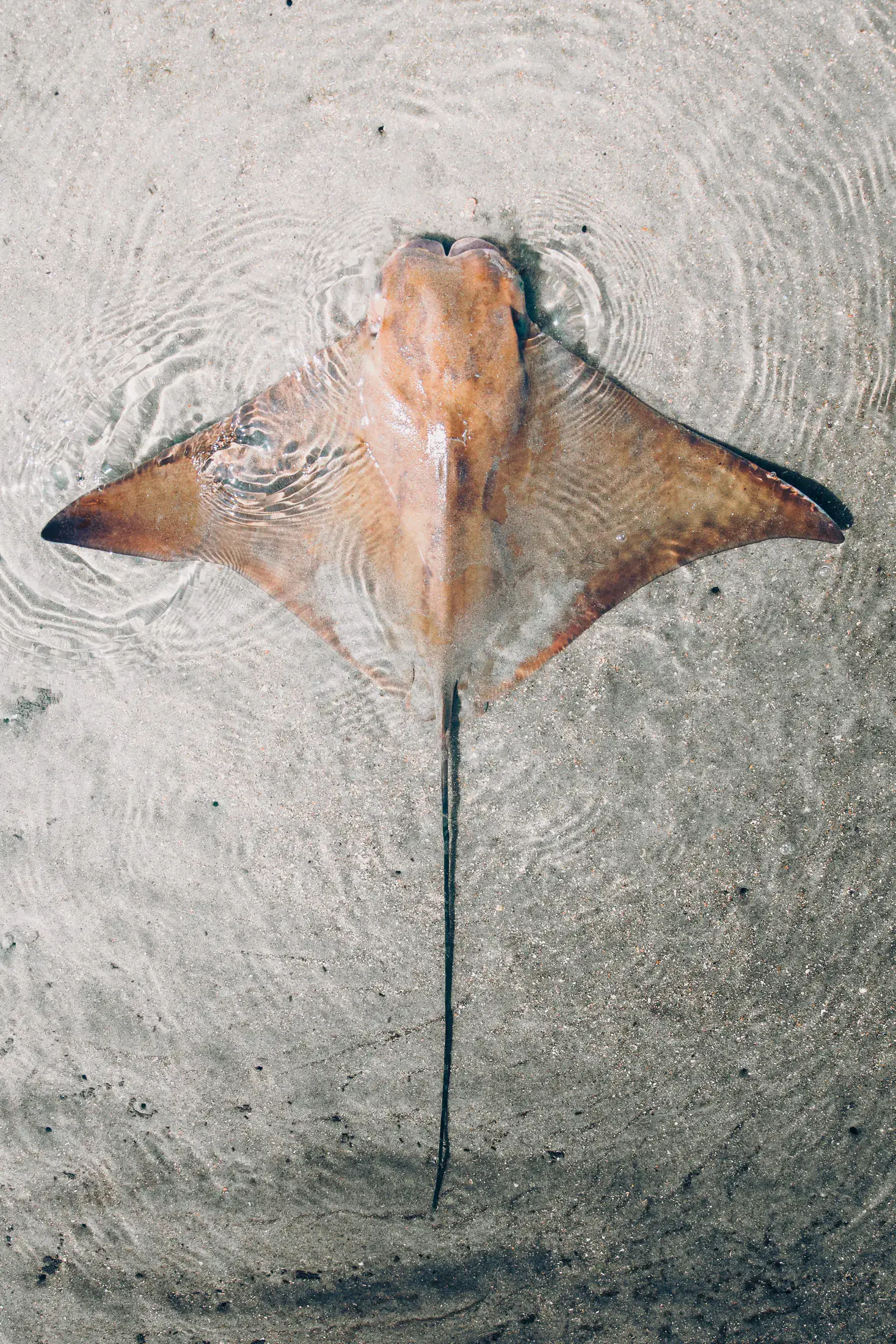
The Belize Barrier Reef is spectacular, and home to a handful of hazards that most snorkel-and-go tours don't brief you on. Knowing what to avoid and what to do if something happens keeps a minor encounter from becoming a medical event.
Emergency Resources
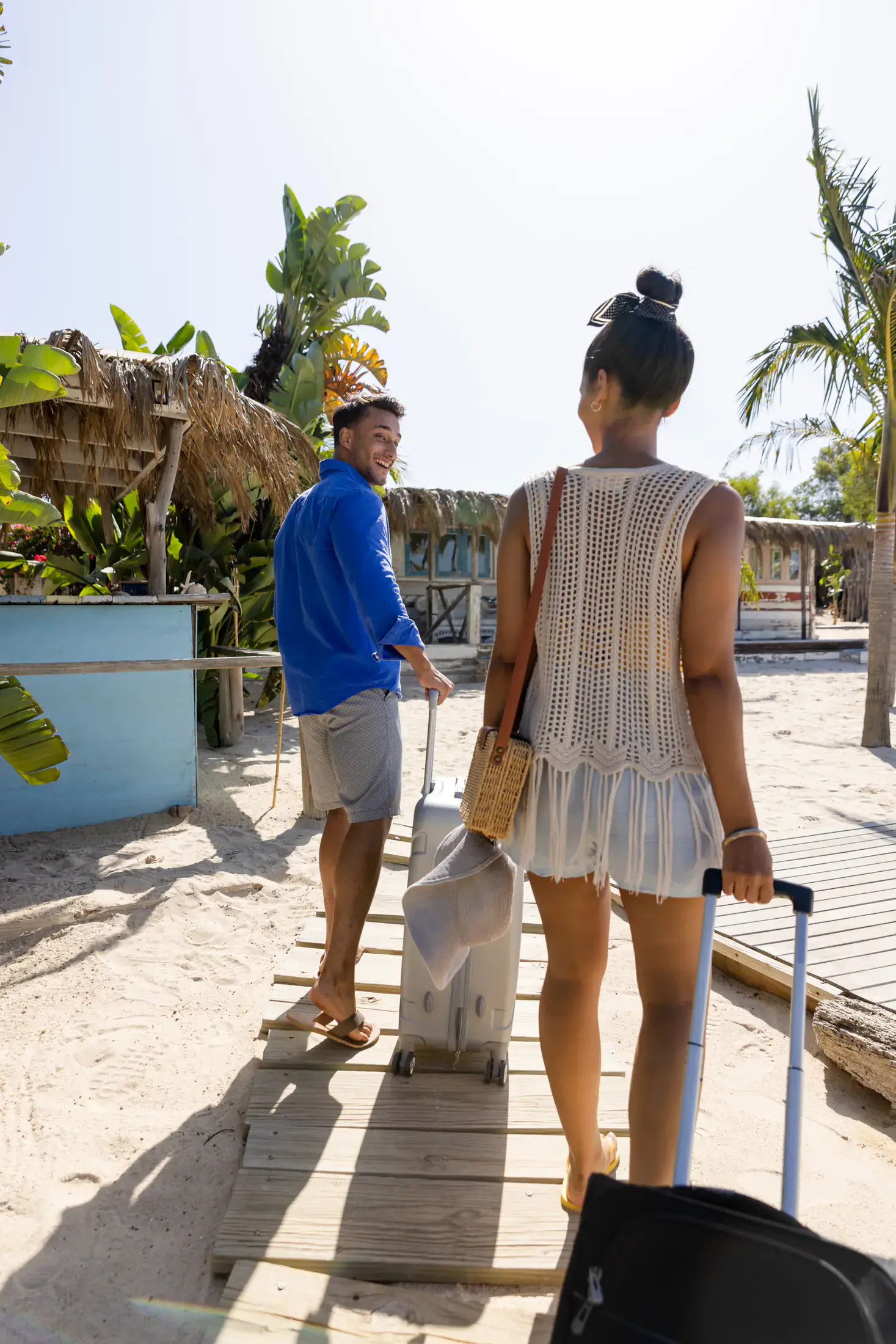
Emergency response times in Belize can be slow, especially outside major hubs. Know the numbers, know where the hospitals are, and have your insurance documentation within reach before you need it.
Know your emergency numbers, carry real travel insurance with evacuation cover, and you're ready for almost anything Belize can throw at you.
Belize Travel Insurance GuidePractical reminders for every transport type and environment you'll encounter in Belize.
Last reviewed September 1, 2026
This section pulls from official U.S. State Department, CDC Yellow Book, CDC Traveler View, WHO, and PAHO guidance, not general travel-blog summaries.
Travel advisories and health notices can change quickly. Do a final official-source check 48 hours before departure, especially for advisories and entry requirements.
U.S. State Department
Travel advisory level, crime data, emergency contacts, entry requirements
CDC Traveler View
Current vaccines, health notices, and destination-specific guidance
CDC Yellow Book
Tap water, leptospirosis, Zika, dengue, malaria-free status
WHO, Belize Malaria-Free
June 2023 malaria-free certification for Belize
Karl Heusner Memorial
Main public referral hospital, Belize City
Belize Medical Associates
Primary private facility, preferred by most international travelers
PAHO, Belize
Pan American Health Organization country health profile
NOAA / NHC
Atlantic hurricane season dates and real-time tracking
Questions travelers ask
No, travel insurance is no longer mandatory for Belize. The mandatory COVID-19 travel insurance requirement was lifted on April 1, 2022, along with the rest of the entry health protocols. You do not need to purchase the old US$18 Belize Tourist Gold Standard policy to enter the country in 2026.
Yes, strongly recommended even though it is no longer mandatory. The U.S. State Department says emergency services are often unavailable or significantly delayed, serious injuries may require evacuation to another country, and ambulance capability can be limited. Medical evacuation from Belize typically costs US$30,000 or more. Make sure your policy explicitly covers medical evacuation and any adventure activities (cave tours, diving, zip-lining) you plan to do. Common providers for Belize trips include World Nomads, SafetyWing, Allianz, and IMG Global.
No. CDC's Yellow Book says tap water is not potable in Belize, including in capital cities and major hubs. Some hotels may filter it, but bottled or properly treated water is the lowest-risk choice throughout the country. Apply the same caution to ice in drinks, raw produce washed in tap water, and unpasteurized dairy.
Call 911. Contact your accommodation immediately, staff often have direct lines to local medical providers and can arrange faster transport than calling cold. Have your travel insurance card and policy number accessible; insurers often need to authorize evacuation before it happens. Karl Heusner Memorial Hospital is the main public referral hospital in Belize City. Belize Medical Associates is the preferred private facility. U.S. citizens can also call the U.S. Embassy in Belmopan: +501-822-4011.
CDC recommends staying current on routine vaccines (MMR, Tdap, flu, COVID-19) and specifically recommends Hepatitis A for unvaccinated travelers and typhoid for most travelers. Hepatitis B is recommended for unvaccinated travelers under 60, and may still be considered for older adults. Rabies is situation-dependent, most relevant if your trip involves animals or remote areas with delayed medical access. Consult your doctor or a travel health clinic ideally 4 to 6 weeks before departure.
This changed in 2025. Belize was certified malaria-free by WHO in June 2023, but locally transmitted cases reappeared in the Cayo District (Santa Elena Town and Cristo Rey Village) in April 2025, the first in six years. For the cayes, Placencia, Hopkins, and Belize City, standard mosquito precautions remain sufficient. Travelers spending time in western Belize, San Ignacio, Cayo District, or near the Guatemala border, should consult a travel health clinic about prophylaxis. Recheck CDC Traveler View guidance before you travel.
Dengue is the mosquito issue most travelers should think about first. Chikungunya and Zika are also present, and all three are spread by Aedes mosquitoes that bite during the day, not just at dusk. The scrape-backed traveler pattern here is simple: people underestimate bugs on beach mornings, mangrove edges, and jungle transfer days. Use EPA-registered repellent on all exposed skin, reapply after swimming, and do not treat daytime boat trips or market walks as bug-free.
Yes. CDC lists leptospirosis as a risk in Belize from contaminated freshwater and floodwater, especially after heavy rain. Avoid swimming or wading in suspect rivers or flooded areas. Cover any cuts or abrasions before exposure to freshwater, and seek medical care promptly if you develop fever, muscle pain, or jaundice within 2 to 30 days of freshwater exposure.
Karl Heusner Memorial Hospital (KHMH) in Belize City is the national referral hospital for serious cases. Belize Medical Associates (BMA), also in Belize City, is the main private facility and typically preferred by international travelers for its faster service and English-speaking staff. District hospitals exist in San Ignacio, Dangriga, Punta Gorda, Orange Walk, Corozal, and Belmopan for less serious care. On the cayes, there are clinics but limited equipment, serious cases are evacuated to Belize City.
If you are on a small caye, you may need a water taxi or air evacuation to reach adequate care, and response times can exceed one hour. This is why evacuation-capable travel insurance is non-negotiable for island travel. San Pedro is the easiest island base if medical access is a big concern because it has more clinics and faster onward options than smaller islands. On Caye Caulker and outer cayes, contact your accommodation first because they usually know the quickest boat, clinic, or flight workaround.
Hurricane season runs June 1 through November 30, with peak risk in August, September, and October. Direct hits on Belize are historically rare, the last major one was Hurricane Richard in 2010. The bigger practical issue is heavy rain, occasional tour cancellations, reduced diving visibility, and the need for flexible itineraries. Green season also brings lower prices and fewer crowds. If you go in this window, monitor NOAA/NHC daily and keep plans flexible.
Belize is one of the best dive destinations in the world, and diving with a licensed operator is generally very safe. That said, decompression sickness (DCS) is a real risk if you dive too deep, ascend too fast, or fly too soon after diving (allow at least 18 to 24 hours). The nearest hyperbaric (decompression) chamber is at Karl Heusner Memorial Hospital in Belize City. Divers Alert Network (DAN) insurance is strongly recommended for any trip that includes diving, it covers recompression treatment, evacuation, and related costs that can easily run US$5,000 to $20,000. Confirm your travel insurance also explicitly covers scuba diving.
Fire coral: rinse the area with seawater (not freshwater), apply hydrocortisone cream, and take an oral antihistamine if the reaction is significant. Jellyfish sting: remove any visible tentacles using a card, shell, or gloved fingers, do not rub. Rinse with seawater, apply a topical sting treatment or hydrocortisone, and take an antihistamine. Sea urchin spines: soak the area in hot (not scalding) water for 30 to 90 minutes, which helps dissolve spines. Remove larger pieces with tweezers. Do not break embedded spines. All three: seek medical attention if you have difficulty breathing, severe swelling, or spreading symptoms, these can indicate a systemic allergic reaction.
The main risk comes from untreated water, ice made from tap water, and raw produce washed in tap water. Drink only bottled or filtered water, use bottled water when brushing teeth, and ask specifically whether ice is made from purified water before accepting it in drinks. Eat at busy local restaurants (high turnover) rather than places with food sitting out. Wash hands before eating. If you do develop TD, oral rehydration salts (ORS) are the first step, available at pharmacies. Bring loperamide (Imodium) and an antibiotic such as azithromycin if your doctor prescribes a traveler's treatment kit, consult before departure.
Back away slowly and give the snake space, nearly all bites happen when people step on or try to handle snakes. The yellow-jaw tommygoff (fer-de-lance) is the most dangerous species in Belize and is found in jungle, agricultural land, and near rivers. It is well-camouflaged and can strike from a coiled position. If bitten: keep calm, immobilize the bitten limb, keep it below heart level, remove rings or tight clothing near the bite, and get to a hospital immediately. Do not cut, suck, or apply ice or a tourniquet, these worsen outcomes. Karl Heusner Memorial Hospital in Belize City carries antivenom.
Pharmacies are available in Belize City, San Pedro, San Ignacio, Dangriga, and Placencia. However, selection is much more limited than in the U.S. or Canada. Bring your full supply of any prescription medication, you will not be able to refill reliably. Common over-the-counter items (antidiarrheal tablets, oral rehydration salts, antihistamines, pain relievers) are generally available. On remote cayes or jungle areas, the nearest pharmacy can be 1 to 3 hours away, so stock your personal medical kit before leaving a major town.
Yes, with a few practical habits. Eat at busy restaurants and street stalls where food is cooked to order and turnover is high, this means fresher ingredients and less sitting time. Avoid raw shellfish and raw salads unless you are confident they were washed in purified water. Fruits you peel yourself (bananas, oranges, mangoes) are generally safe. Cooked street food like tamales, garnaches, and hudut are widely eaten and generally fine. Pasteurized dairy is available but not universal, check labels. When in doubt about a dish, ask whether it was made with purified water.
The short list of things to avoid in Belize: drinking tap water (use bottled or filtered), walking the Southside of Belize City after dark or solo at any time, touching or breaking coral on reef snorkel trips, removing Maya artifacts or shells from archaeological sites and marine reserves (both are illegal), flashing valuables or large amounts of cash in transit hubs, leaving rental cars unattended with luggage visible, swimming in freshwater rivers downstream of villages without local guidance, and ignoring guide instructions on cave tours like ATM Cave. Practical add-ons: avoid hiking in the jungle without a guide if you do not know snake species, do not buy black coral or sea turtle products (also illegal), and skip the predatory tour touts at the Tourism Village in Belize City in favor of pre-booked operators.
Pair your health and safety prep with practical trip logistics for a smoother Belize adventure.