Loading page content.
Loading Planning Guides
Preparing itineraries, logistics, and practical travel tools.
Compiling planning guides and trip resources tailored for Belize.
Loading page content.
Loading Planning Guides
Preparing itineraries, logistics, and practical travel tools.
Compiling planning guides and trip resources tailored for Belize.
Stay in the know
Belize
before
everyone else.
Events, hidden gems, seasonal highlights, and local stories, delivered straight to your inbox before they go viral.
Loading page content.
Loading Activities
Finding tours, day trips, and experiences across Belize.
Preparing destination details and local recommendations.
Keep Planning
Certified Belize tour guides for ATM Cave, Maya ruins, reef trips, wildlife outings, and private day tours across the country.
Compare 20 Belize itineraries by trip length, style, bases, transfers, pace, and car needs, from five-day escapes to three-week routes.
Belize health & safety, the practical side: tap water, mosquitoes and Zika, vaccines, marine and dive hazards, clinics, and travel insurance for 2026.
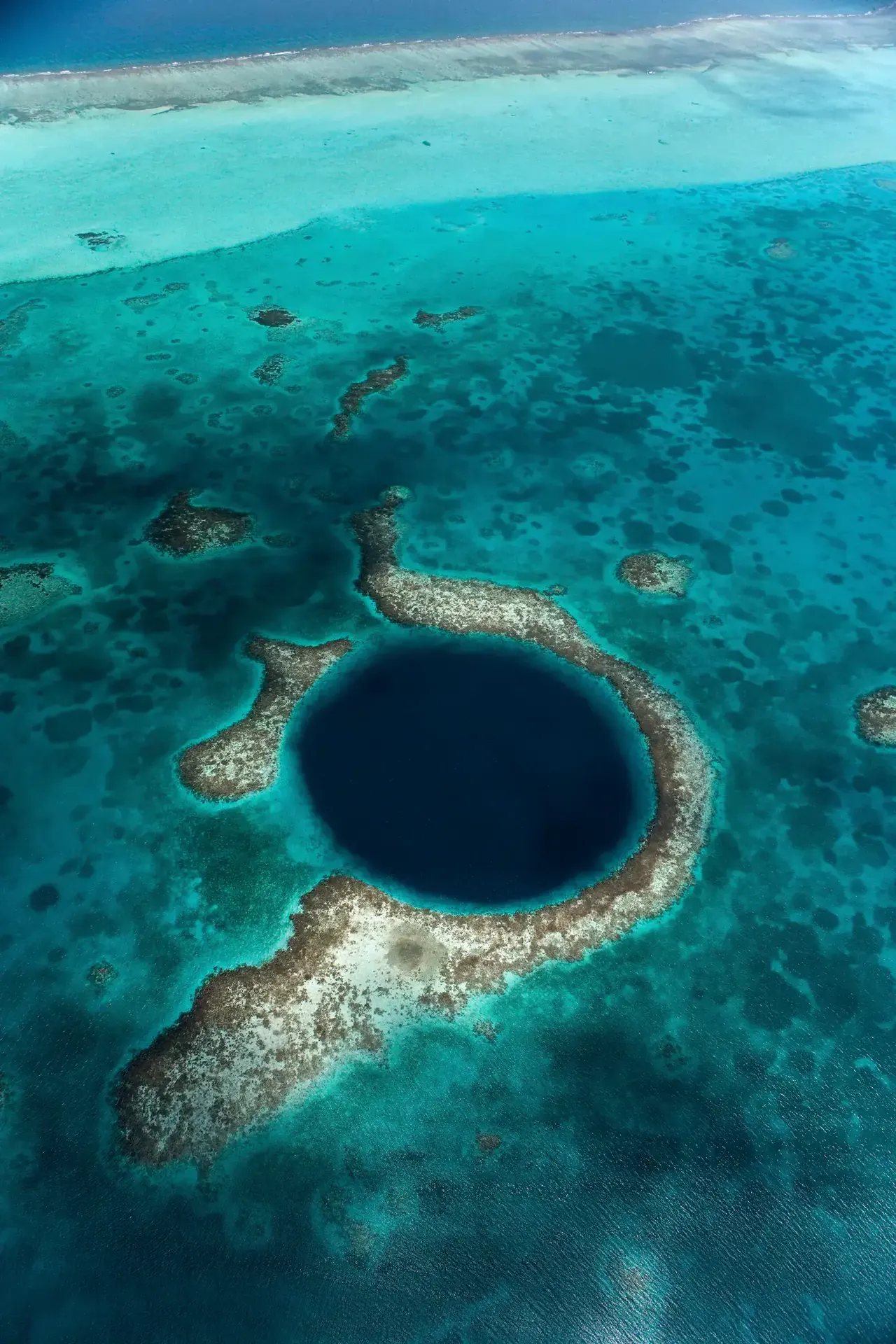
Dive it, snorkel it, or fly over it: the honest guide to Belize's most famous circle
The Great Blue Hole sits at Lighthouse Reef off Belize's Caribbean coast. You can snorkel its shallow rim on a full-day boat trip, dive its deeper formations with the right training, or fly over for the famous circular view. Choose by what you want to see, your comfort in the water and the time you have.
Last reviewed September 16, 2026
Snorkel price examples and flight details checked against operator pages. Compare inclusions below and confirm your date directly before booking.
The icon, explained
The Great Blue Hole is a giant marine sinkhole roughly 1,000 feet across and about 410 feet deep, sitting in the center of Lighthouse Reef Atoll, around 45 miles east of Belize City. It formed as a limestone cave system during the ice ages and flooded as seas rose; the stalactites still hanging at depth are what Jacques Cousteau came to film in 1971 when he called it one of the world's great dive sites. It anchors a UNESCO World Heritage reef system.
Here's what surprises people: the experience you've imagined (that perfect navy-blue circle ringed by turquoise) only exists from the air. From a boat deck it reads as slightly darker water. That single fact should drive your whole decision about how to visit, and it's why this guide exists.
Insider note
The photo you've seen is taken from about 1,000 feet up. No boat, snorkel, or dive delivers that view. Only the flight does.
Option one: fly
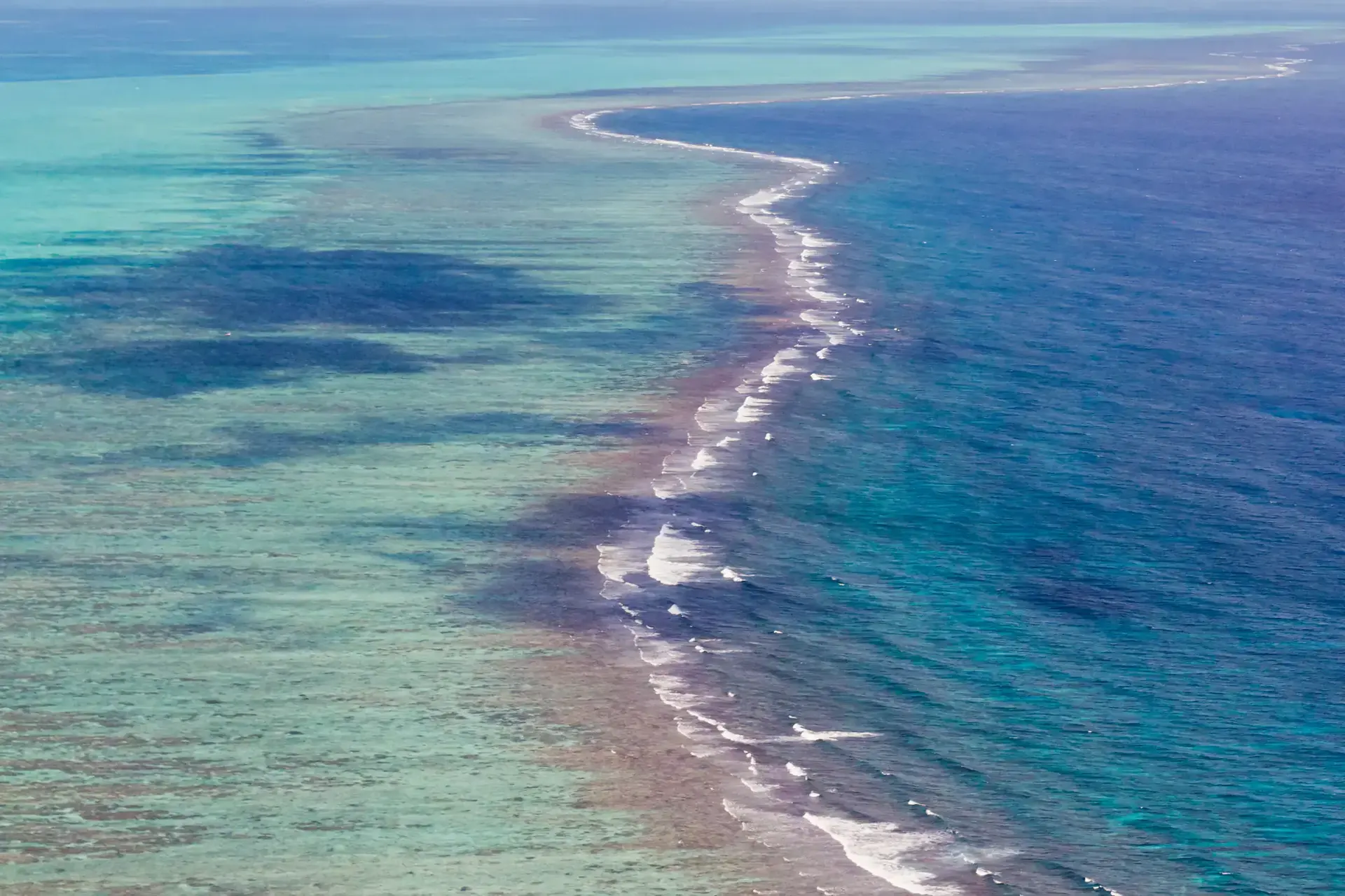
Tropic Air lists a one-hour scheduled Blue Hole flight from San Pedro, Caye Caulker, or Belize City Municipal Airport, with a window seat for every passenger. Its published departure time is 1 p.m.; confirm availability for your date. Private charters have different departure options and durations. Request a current fare for your route rather than assuming one price applies everywhere.
Choose the flight if the blue circle against the turquoise reef is the view you came for. You do not need a diving certification, and it leaves more of your day free than the boat trip. Weather can still cause a reschedule or cancellation, so leave some flexibility in your itinerary.
Check Tropic Air's Blue Hole flight details for departure airports, availability and booking. Reviewed September 16, 2026.
Insider note
Belize City Municipal (TZA) and the international airport (BZE) are different airports. Check the departure airport before planning your connection.
Option two: dive
The signature deep dive visits the stalactites at around 130 feet (40 meters). It is a geology-focused dive for appropriately trained, experienced divers. Confirm the operator's certification, recent-experience and depth requirements before paying; some trips also offer a shallower profile. Reserve a full day for the boat journey and companion reef dives, and request a current quote with equipment and park fees itemized.
The honest secret divers tell each other: the Blue Hole dive itself is atmospheric rather than fish-rich. You do it for the geology and the story. The two companion dives at Half Moon Caye Wall and The Aquarium are among the best reef dives in the Caribbean, and lunch on Half Moon Caye, with its red-footed booby colony, is a highlight of its own. Judge the day as a package and it's superb.
Insider note
Not deep-certified? Skip the pressure to dive it anyway. Put your dive days into Half Moon Caye Wall or Turneffe, and take the flight. You'll have had the better Blue Hole experience.
Option three: snorkel
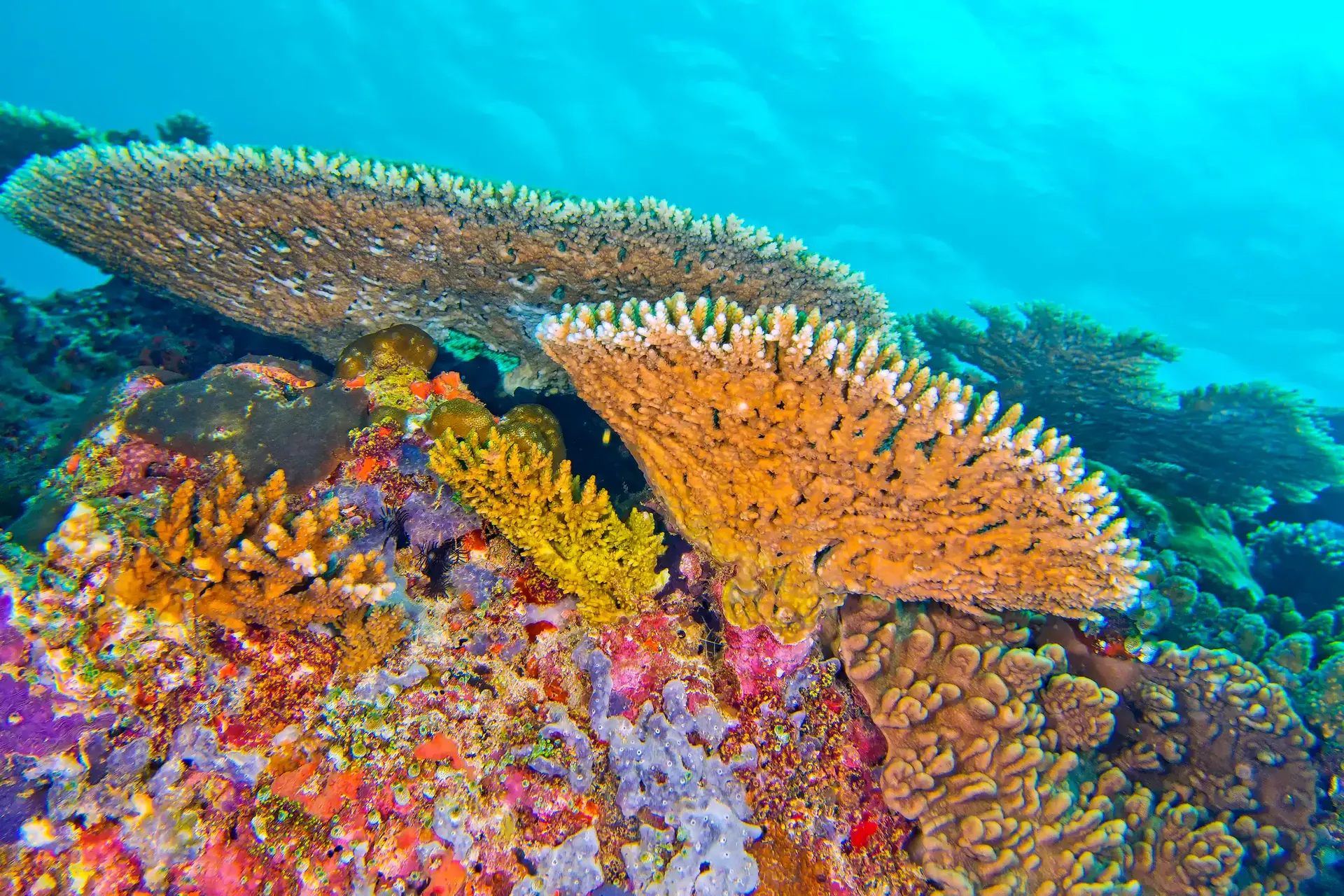
Yes, you can snorkel the Great Blue Hole in Belize. You explore the shallow reef around its rim, with the dark drop-off beside you. You will not see the deep stalactites or the complete circular outline from the surface. Book it for a day at Lighthouse Reef, rather than expecting the aerial photograph to become your underwater view.
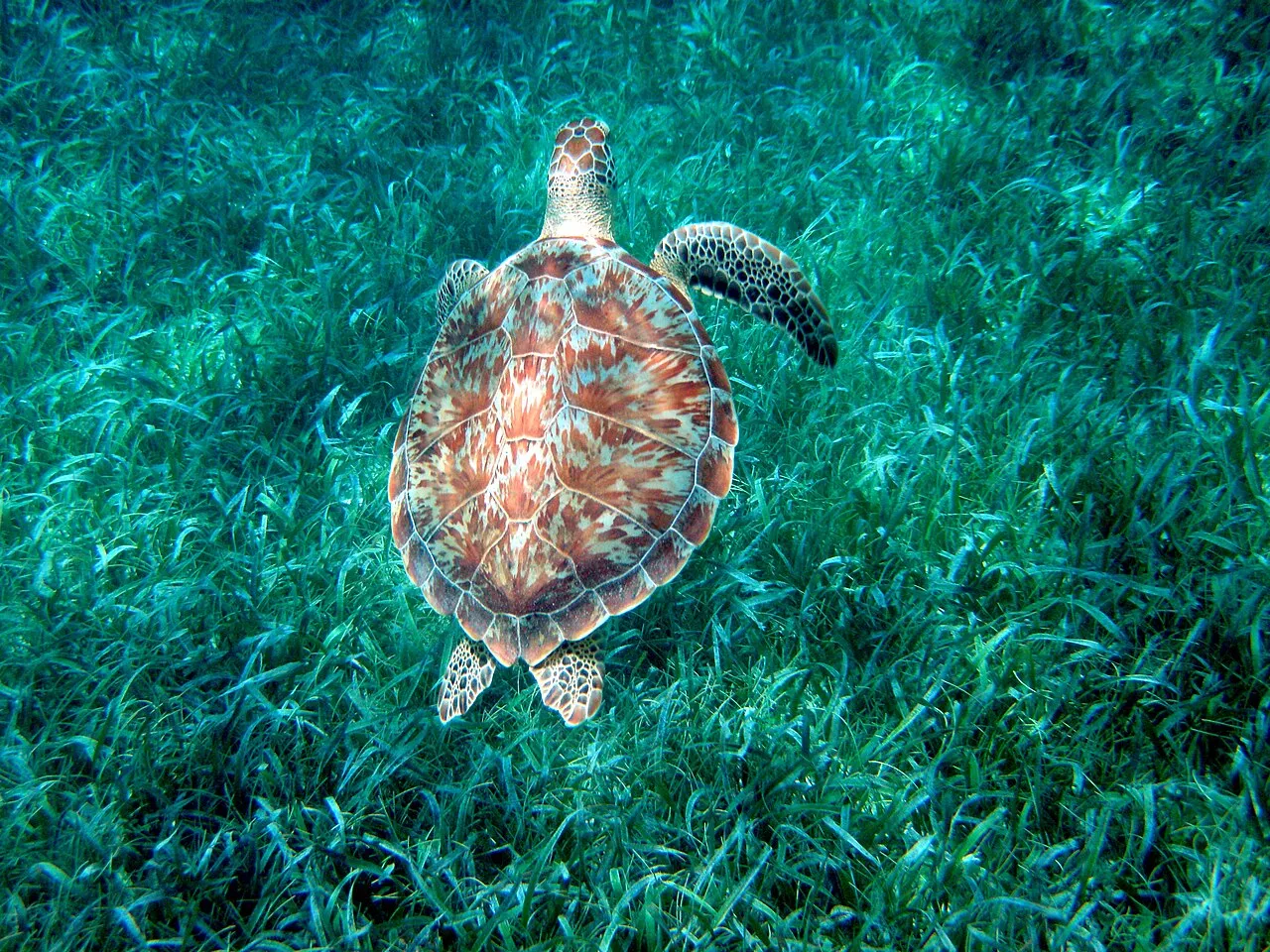
Look at the whole itinerary: Blue Hole trips commonly combine the rim with Half Moon Caye and the Long Caye Aquarium. Those companion stops are a major part of the appeal for snorkelers. Divers and snorkelers may travel on the same boat, so confirm that a dedicated snorkel guide and a suitable itinerary are included for your group.
You do not need scuba certification to snorkel, but this is an offshore boat day. Tell the operator about your swimming confidence and ask about flotation, entry and exit from the boat, and the conditions in which they cancel. If you want a shorter reef outing, compare Hol Chan and Shark Ray Alley before committing to the longer crossing.
Compare available Belize snorkeling and dive tours and check each operator's actual route before booking.
Insider note
Ask whether the quoted snorkel price includes equipment, tax and both park fees. A cheaper headline price may leave more to pay on the day.
These published examples were checked on September 16, 2026. They show why the tour price and the total you pay can differ; availability and the final quote still need confirmation.
| Operator / departure | Listed price | Fees and extras |
|---|---|---|
| Frenchies, Caye Caulker | US$190 | Includes US$40 park fees and lunch. Confirm equipment and any other charges. |
| Amigos del Mar, San Pedro | US$215 base price | US$40 park fees extra; tax and equipment rental excluded. Some pickups carry a surcharge. |
Swipe across the table to see fees and extras.
Amigos del Mar describes an approximately 11-hour day with a 2 to 2.5-hour boat ride and a minimum group of 10 to confirm. Stay near your departure point the night before and leave room to reschedule if sea conditions change. Ask about the snorkel guide, equipment fit, minimum numbers and cancellation terms.
Choose your base with our Ambergris Caye vs. Caye Caulker guide, then allow for transfers in your Belize trip budget.
Lighthouse Reef trips that go to the Great Blue Hole itself, not the inland Blue Hole near Belmopan. Confirm the departure dock, park fees and minimum numbers before you pay.

12h · From $250
5.0(17)
Explore the majestic Great Blue Hole and Lighthouse Reef Atoll on this full-day snorkeling tour. Designed for snorkeling enthusiasts, this trip includes visits to iconic sites like Blue Hole, Half Moon Caye Wall and Long Caye Aquarium, where vibrant marine life flourishes. Enjoy a complimentary continental breakfast and a delicious lunch, along with refreshing fruits throughout the day. With a minimum of 10 guests required for confirmation, this tour promises an immersive experience in one of Belize's most treasured natural wonders. - Full-day snorkeling adventure to the Great Blue Hole and surrounding reefs - Visit protected sites including Half Moon Caye - Complimentary breakfast, lunch, and beverages provided - Tour duration: approximately 12 hours, with early morning pick-up included

12h · From $345
5.0(2)
Experience one of the world’s most iconic dive destinations on this full-day, 3-tank adventure in Belize. Begin with the legendary Great Blue Hole, descending to 130 ft (40 m) to marvel at its dramatic stalactites and stalagmites. Next, glide along the Half Moon Caye Wall at 60 ft (18 m) before stopping at the scenic Half Moon Caye for lunch and a chance to explore the island and see its famous red-footed boobies. Your day concludes at the Long Caye Aquarium Wall, a vibrant reef alive with coral gardens and tropical fish. Enjoy continental breakfast, lunch, and refreshments, all included, while diving under the guidance of an experienced licensed dive master. Important: Open Water Certified or higher required, with a recent logged dive within 6 months. DAN Dive Insurance is strongly recommended. Minimum of 10 divers required to confirm the trip. Snorkelers welcome. This is a must-do dive adventure for serious divers seeking the ultimate Belize experience!
Clicking a tour opens our tour details page. Booking takes place on Viator.com. We may earn a commission at no extra cost to you. Read our affiliate disclosure
Keep building the trip
Questions travelers ask
Yes, if you pick the format that fits your trip: fly for the circular aerial view, dive for the geology within your training limits, or snorkel for a full Lighthouse Reef day. Compare Hol Chan if you prefer a shorter snorkeling outing.
About 410 feet (125 meters) deep and roughly 1,000 feet (300 meters) across, making it one of the largest marine sinkholes on Earth. Recreational dives descend to around 130 feet to pass beneath ice-age stalactites.
Yes. You snorkel the shallow rim, not the deep stalactites. Full-day Lighthouse Reef trips commonly also visit Half Moon Caye and the Long Caye Aquarium. Scuba certification is not required for snorkeling; discuss swimming ability, flotation and guiding with the operator.
Requirements depend on the operator and planned depth. The signature stalactite dive reaches about 130 feet (40 meters), so confirm the required training and recent dive experience. Some operators offer shallower profiles. An Advanced Open Water card alone should not be treated as permission for every depth or itinerary.
Published snorkeling examples checked September 16, 2026: Frenchies lists US$190 including US$40 park fees; Amigos del Mar lists US$215 plus park fees, tax and equipment rental. These are operator examples, not a universal price. Request current dive and flight quotes for your departure point and date.
Most boats depart San Pedro (Ambergris Caye) and Caye Caulker before dawn for the 2-3 hour crossing to Lighthouse Reef; some operators run from Belize City. Scenic flights leave from the same hubs. Liveaboard boats moor at the atoll and dive it without the long day-trip crossing.
Window seat or weight belt: either way, you'll understand why Cousteau put this circle on the world's map.