Community Tourism in Belize: Rural Experiences & Village Life
Maya homestays from around $25 a night, Garifuna cooking in Hopkins, and cacao farms in Toledo. Your money stays with the village that welcomes you.
Community Tourism in Belize: How It Works
Community tourism in Belize centers on village homestays, family-run farms, local guides, and hands-on cultural workshops across Toledo, Cayo, Stann Creek, Orange Walk, and central villages. It is one of Belize's clearest differences from bigger resort destinations: small communities stay close to the center of the trip, and more of your money reaches the hosts, guides, and families doing the work.
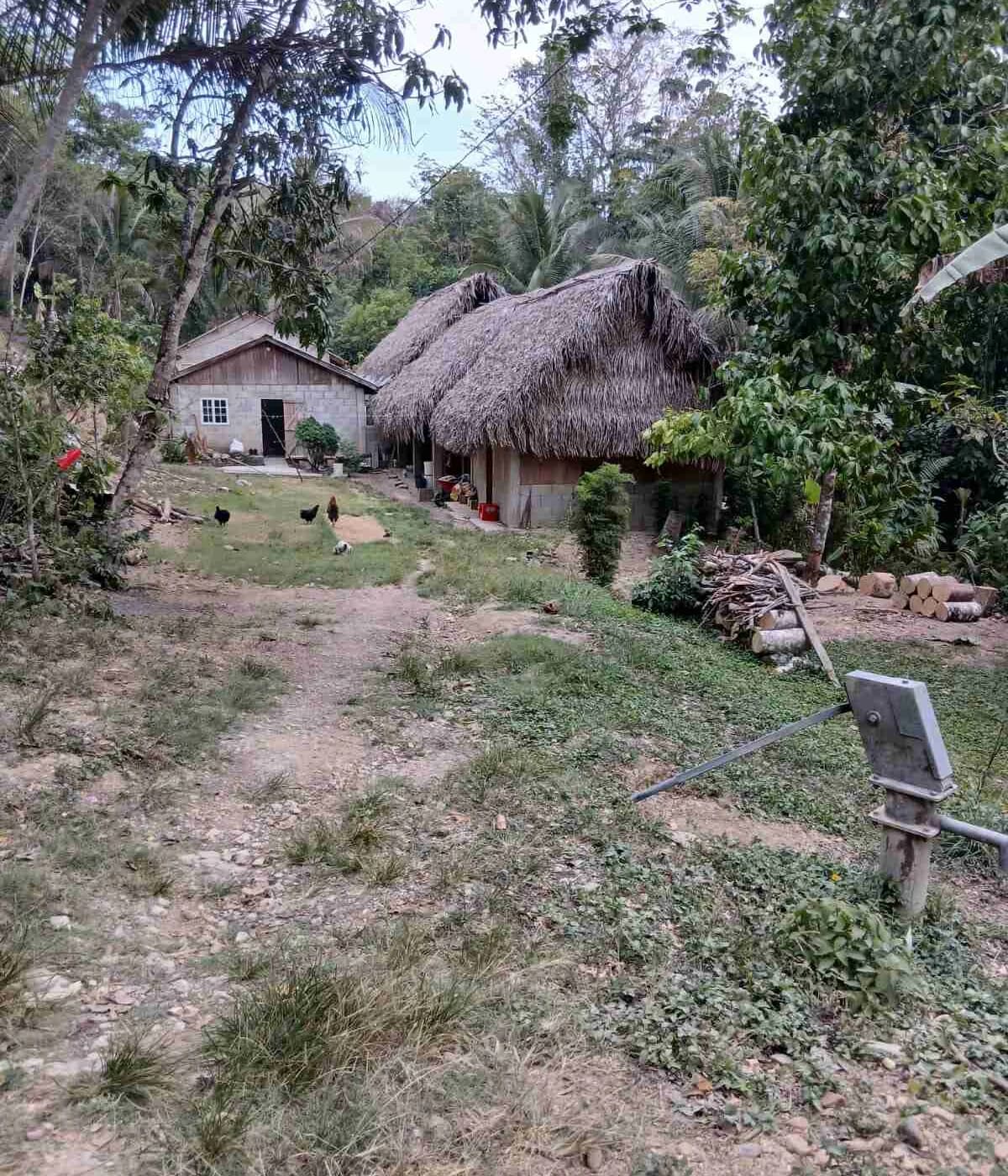
Stay with Q'eqchi' and Mopan Maya families in Toledo District through the Toledo Ecotourism Association village rotation, which spreads tourism income across all participating host families. Nights cost around USD $25 to $30 all in, with accommodation and three home cooked meals over an open fire hearth, and 100 percent of that stays with the household. A typical day includes a village walk with one of the local women, who shares daily life, plants used for food and medicine, and the school, church, and corn mill at the heart of village life, a jungle tour with a local guide who knows the trails and traditional Milpa farming practices, plus craft lessons in basket making, weaving, or carving, and an evening of traditional music, dancing, and storytelling. Member villages include Laguna, San Miguel, San Antonio, and Santa Elena.
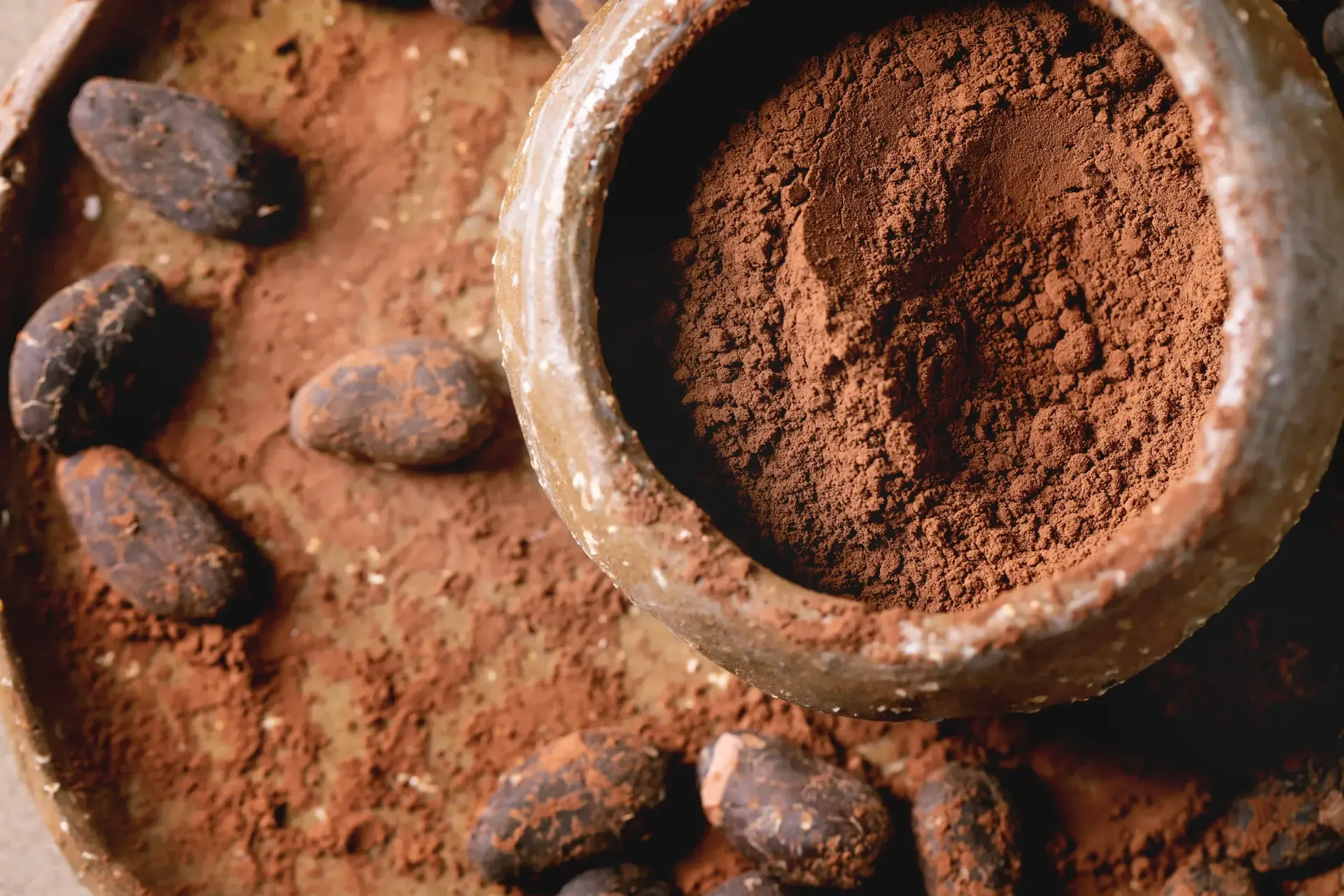
Toledo's cacao tours follow the bean from tree and pod through fermenting, roasting, grinding, and tasting, often closing with a traditional Maya cacao drink and a Maya lunch. Hopkins offers hands on Garifuna cooking (cassava bread, hudut), a herbal garden walk, and a drumming session with a master drummer. Orange Walk leans Mestizo, with riverside Belizean food, a long running rum distillery visit, and a stop at the 4,000 year old Maya site of El Cuello. Around San Ignacio, Cayo District adds Xunantunich Belize, cave tubing, jungle lodges, markets, and rural village stops to the same culture-first route.
Community tourism in Belize is travel where the host family, village, or local cooperative owns and runs the experience, instead of a foreign resort that simply hires local staff. In rural Belize this includes Maya village homestays in Toledo District, family run cacao and chocolate farms in San Felipe, Garifuna cooking and drumming workshops in Hopkins and Barranco, Mestizo food and rum tours in Orange Walk, Mennonite farm stops in Spanish Lookout near San Ignacio in the Cayo District, and Creole birding lodges in Crooked Tree. The defining feature is that a high share of every dollar paid by the traveler reaches the household, guide, or community directly. The Toledo Ecotourism Association in southern Belize is the longest running example, with a village rotation that shares income, meals, jungle tours, craft lessons, and evening entertainment across all member families.
What is rural community tourism in Belize actually like?
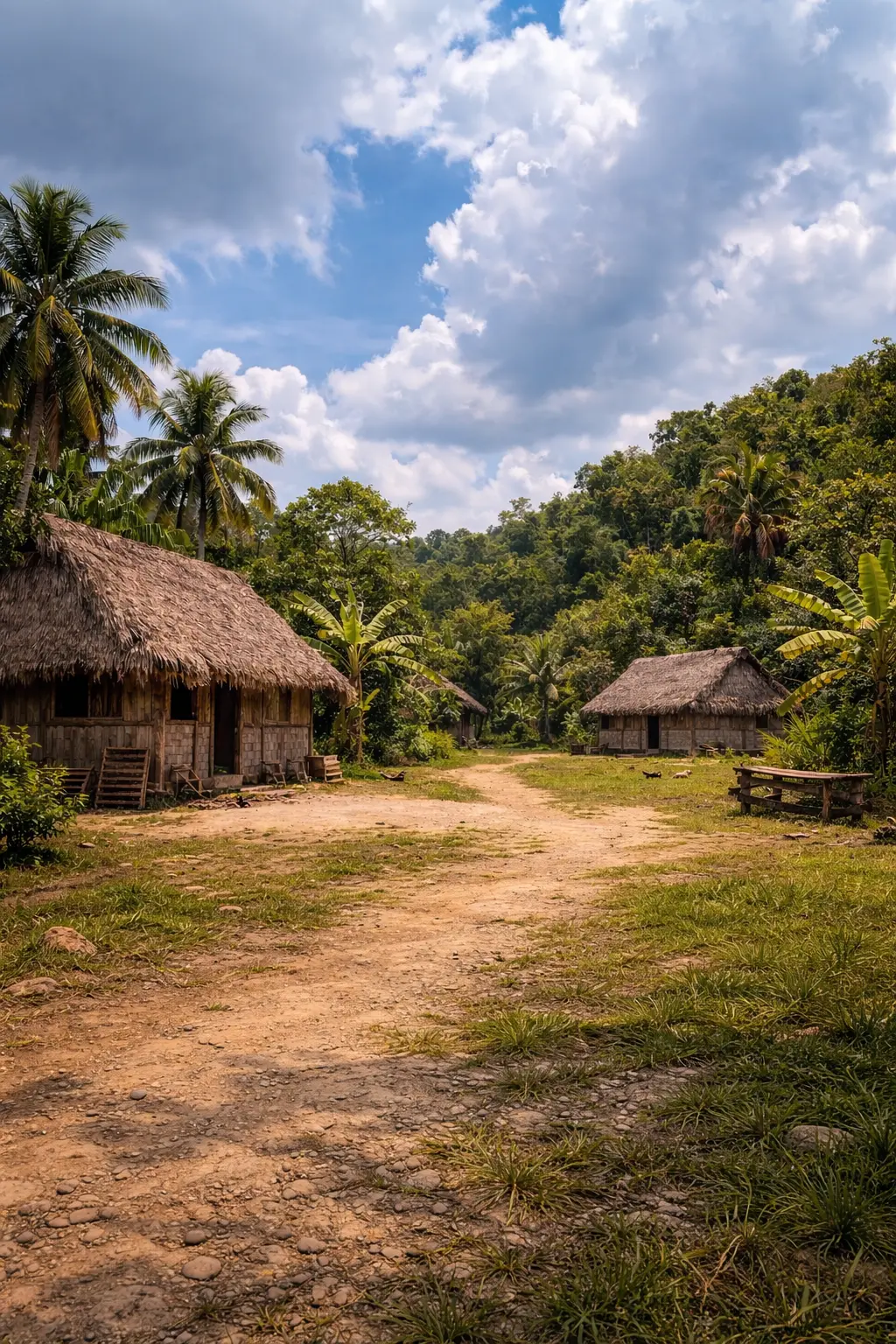
Rural Belize community tourism feels nothing like a resort holiday. In practice, you might sleep in a thatched guesthouse in a Q'eqchi' Maya village for around USD $25 a night, wake up to a home cooked breakfast over an open fire hearth, grind corn or cacao on a stone metate, and spend the morning on a forest walk learning which plants are food, medicine, or building material. There is no poolside bar. There is no buffet. There is genuine human connection, extraordinary food, and forest that most visitors never see. The three most established community run operations are the Toledo Ecotourism Association in the south, the Community Baboon Sanctuary in the central villages, and Cockscomb Basin Wildlife Sanctuary near Maya Centre village.
What is a Maya village homestay and how much does it cost?
The Maya village homestay program is run by the Toledo Ecotourism Association (TEA), one of the first community based ecotourism programs in Central America. It operates across four Maya villages in Toledo District: Laguna, San Miguel, San Antonio, and Santa Elena. A rotating host family system ensures revenue is shared across the community rather than concentrated in one household. The cost is approximately USD $25 to $30 per night, which covers accommodation and three home cooked meals. Activities like farm walks, jungle hikes, chocolate making, traditional musical instruments, and medicinal plant tours are available at the village for small additional fees of around $10 to $20. Bookings are coordinated through the village rotation, so no foreign tour operator is needed and a high share of every payment stays with the host family.
How much does rural tourism in Belize cost on a budget?
Rural tourism is the most affordable way to experience authentic Belize on a budget. For budget Belize travelers, Maya village homestays through the Toledo Ecotourism Association run roughly USD $25 to $30 per night including accommodation and three home cooked meals, which is the lowest cost authentic cultural experience in the country. Day workshops such as cacao tasting, tortilla making, herbal yard walks, jungle tours, and craft lessons typically add USD $10 to $25 each. Garifuna cultural classes in Hopkins range from USD $20 to $50 for short workshops, with longer experiences sold through third party platforms at USD $119 to $169 or more. Crooked Tree birding lodges and Maya Centre cabins near Cockscomb Basin are usually USD $40 to $90 per night. Combining one inland base in San Ignacio in the Cayo District, a Toledo village homestay, and a Garifuna day in Hopkins delivers a deeply local trip for far less than a resort week, with most of the spend going directly to the household running the experience.
Where can I experience traditional Maya village life and cacao farming?
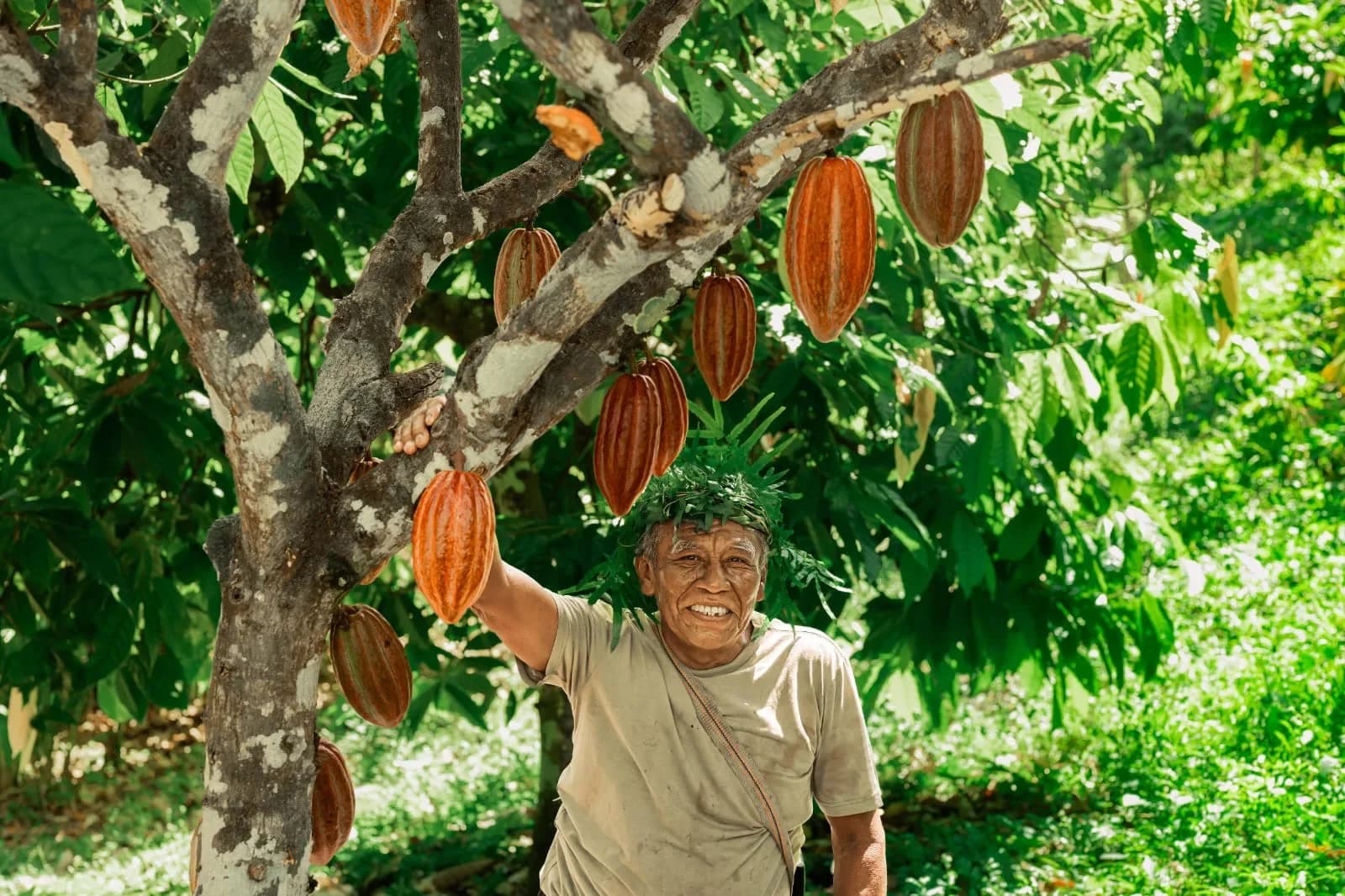
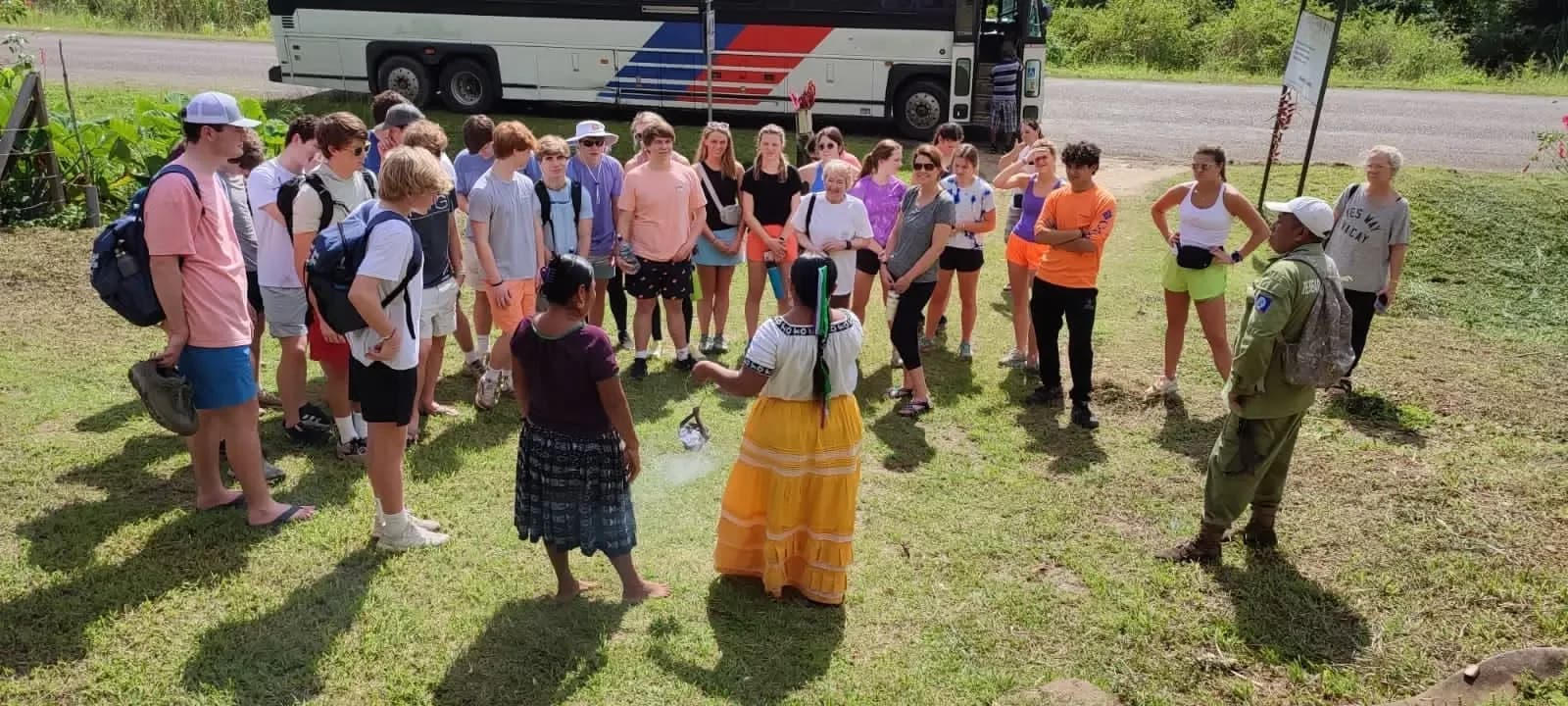
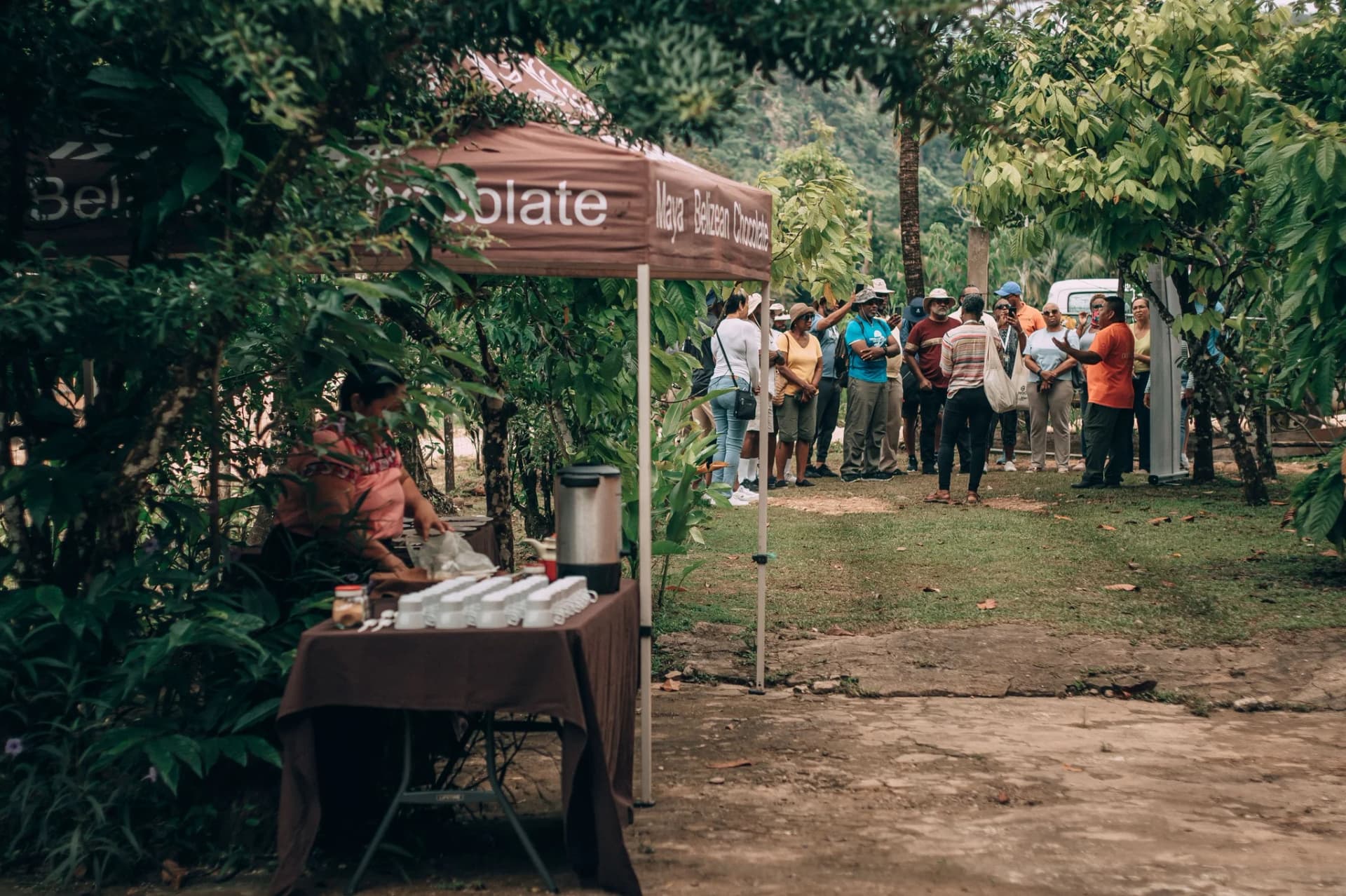
Living Maya cultural visits typically include a tour inside a traditional Maya home, a brief history of beliefs and traditions, a chance to play traditional musical instruments, grinding corn, coffee, or cacao on a stone metate, hand patting corn tortillas, and cooking over an open fire hearth. A trail walk around the family yard introduces local herbs, medicinal plants, and the spices used in everyday Maya cooking, with vegetarian and non vegetarian lunch options. Each Toledo Ecotourism Association village also offers a guided walk with one of the local women, who explains daily life, the school, the church, the corn mill, and the role of plants in food and medicine, plus a jungle tour with a local guide who can explain traditional Milpa farming practices and the changes the community has seen in recent years. Evenings often include traditional music, dancing, and storytelling, and craft lessons in basket making, weaving, or carving are available in most villages. Cacao tours in Toledo go deeper. Maya families practice traditional agroforestry, growing shade cacao alongside companion plants in the rainforest. Travelers see the full process from pod and bean to fermenting, roasting, grinding, and tasting, often finishing with the seasonal cacao wine made from the sweet white pulp around the fresh bean that was once reserved for the Maya elite. San Felipe village in Toledo is the strongest base for cacao tourism, with Ixcacao Maya Belizean Chocolate offering four tour tiers from a 90 minute tasting to a full Gold Tour with a ceremonial cacao drink and a traditional Maya lunch.
What Garifuna cultural experiences are available, and how does Hopkins compare to Placencia and Barranco?
Hopkins Village on the south central coast is Belize's most accessible Garifuna community and the easiest place to book a full cultural day. A typical Garifuna culinary and cultural experience there includes hands on cooking classes for cassava bread, hudut (fish in coconut broth), and other traditional recipes, conversation with knowledgeable Garifuna elders, a walk through a herbal garden used for cooking and medicine, a full home cooked Garifuna meal, and a closing drumming session led by a master drumming instructor. Dishes can usually be adapted for dietary restrictions. Short workshops run 1 to 3 hours and cost roughly USD $20 to $50, while full day cultural experiences sold through third party platforms typically run USD $119 to $169 or more depending on group size. For travelers comparing Placencia vs Hopkins Belize, Placencia is the more polished beach town with a longer restaurant list, while Hopkins stays the stronger pick for hands on Garifuna culture, quieter Hopkins Belize beaches mornings, and smaller Hopkins Belize accommodations close to village life. For a quieter, less commercial Garifuna experience, Barranco in southern Toledo District is the village to know. It is far smaller, harder to reach, and gives a more rural Garifuna context than either Hopkins or Placencia.
Where can I experience Mestizo culture and food in northern Belize?
Mestizo culture is strongest in Orange Walk and Corozal districts in northern Belize. The Mestizo community descends from Yucatec families who settled in Belize in the 19th century after the Caste War, and the influence shows in the food, language, and music. Tortillas, tacos, tamales, panades, salbutes, garnaches, salpicon, and horchata are everyday dishes, and Spanish is spoken alongside Belizean Kriol and English. A typical Mestizo cultural and food tour in Orange Walk includes a riverside Belizean Mestizo meal, a guided street food walk through Orange Walk Town (often called the taco capital of Belize), a visit to one of the oldest rum distilleries in the country to see how rum is made from start to finish, and a stop at the small Maya site of El Cuello, which dates back roughly 4,000 years. Orange Walk is also nicknamed Shuga City for its sugarcane heritage.
How can I experience Belizean Creole culture?
Creole culture is rooted in Belize City and the central coast and shows up most clearly in the food, the language, and the music. Traditional Creole dishes include boil up (a layered one pot of yam, plantain, sweet potato, cassava, egg, and pigtail or fish), cowfoot soup, johnny cakes and fry jacks for breakfast, and desserts like powderbun and bread pudding. The everyday language is Belizean Kriol, an English based creole that travelers can pick up phrases of from any local guide. The music ranges from brukdown to punta and shows up at festivals like Carnival in colorful, hand made costumes. The easiest way to experience Creole culture is through a guided food and culture tour in Belize City or a nearby Creole village such as Bermudian Landing or Gales Point Manatee, where a local guide explains the dishes, teaches a few Kriol phrases, and shows the context behind the music and crafts.
What is Spanish Lookout like and can I visit the Mennonite community near San Ignacio?
Spanish Lookout is a Mennonite agricultural district in the Cayo District, roughly 20 minutes north of San Ignacio, Belize. The community is largely self sufficient and produces a significant share of Belize's dairy, eggs, poultry, beef, and farm hardware. A typical visit feels less like a guided tour and more like a scenic drive through rolling, hilly green farmland, with traditional Mennonite homes, dairy cows, chickens, goats, and horses, and the distinct contrast of horse drawn buggies alongside modern tractors. Travelers come for the meats and cheeses, hand picked organic fruits and vegetables, hardware shops, bakeries, and a different view of Belize's rural economy. Many Mennonites in Spanish Lookout speak a Plautdietsch (Low German) dialect and prefer not to be photographed, so visit with respect, dress modestly, and ask before pointing a camera. Shipyard in Orange Walk District is a stricter traditional Mennonite community for travelers who want a deeper rural agricultural angle.
Is Crooked Tree worth visiting for nature and birding?
Yes, especially for travelers who want a quiet, slow, nature led version of rural Belize without driving all the way to Toledo. Crooked Tree is a Creole village set on a freshwater lagoon roughly 33 miles north of Belize City and is Belize's most established birding destination. It is an internationally recognized Important Bird Area and best known for sightings of the Jabiru stork, the largest flying bird in the Americas, especially in the dry season from February through May when the lagoon shrinks and birdlife concentrates. The village is also famous for its cashew trees and the annual Cashew Festival in May, where cashew wine, jam, and roasted nuts are sold by village families. Lodging is community oriented, with several small lodges (such as Bird's Eye View Lodge and Crooked Tree Lodge) that offer guided birding by boat or on foot.
What is Cockscomb Basin Wildlife Sanctuary and how does it support local communities?
Cockscomb Basin Wildlife Sanctuary is the world's first jaguar preserve and one of the most important community linked conservation areas in Belize. It is reached from the small Maya village of Maya Centre on the Southern Highway, where you sign in at the community run visitor center before traveling 6 miles into the sanctuary. Trails range from short loops to longer hikes to Tiger Fern Falls and the multi day climb of Victoria Peak, the country's second highest summit. Most travelers do not see a jaguar (they are nocturnal and shy), but ocelot, tapir, peccary, and over 300 bird species are routinely recorded. Maya Centre village is closely linked to the sanctuary economy. Q'eqchi' Maya families run a craft cooperative, food stalls, and simple guest cabins, and a portion of every entrance fee supports the surrounding community. Small Maya Centre cabins are a strong base for travelers who want both a wildlife day and a village stay.
Where are the most authentic non touristy parts of Belize?
Travelers asking for non touristy Belize are most often pointed to the same handful of places. Toledo District, especially Punta Gorda and the Maya villages around San Antonio, Laguna, San Miguel, and Santa Elena, plus the Garifuna village of Barranco, is the country's quietest and most culturally intact region and is known locally as 'the forgotten district'. Crooked Tree offers birding, the Cashew Festival, and Creole village life. Cockscomb Basin and Maya Centre give a rural wildlife and Q'eqchi' Maya combination. Spanish Lookout and Shipyard give a Mennonite agricultural angle. Small inland villages around the Cayo District (such as San Antonio, Cristo Rey, and Bullet Tree Falls) give a slower rural Cayo experience than San Ignacio town. Even on the cayes, the north end of Caye Caulker is noticeably quieter than the central village. The shared thread is the same: travel slowly, choose local hosts, eat where locals eat, and treat villages as communities rather than attractions.
Is Belize or Costa Rica better for community tourism and a rural vacation?
Both countries offer community tourism, but the Belize vs Costa Rica decision often comes down to scale and directness. Costa Rica's community tourism circuits are more developed, more packaged, and more widely marketed, but a higher share of revenue often flows through tour operators rather than directly to villages. Belize's model is smaller, less commercial, and more direct. Through the Toledo Ecotourism Association, 100 percent of every nightly homestay fee goes to the host family, and guide, cooking, and craft fees go to the women, farmers, and elders running them. Belize is also significantly less crowded than Costa Rica's most popular community routes, prices are typically lower, and English is the official language, which makes communication with hosts easier for most international travelers. For travelers asking 'is Belize safer than Costa Rica' or comparing Belize vs Costa Rica family vacation routing, both countries are considered safe for typical leisure travel, and the family answer usually comes down to whether you want shorter transfers and easier reef access (Belize) or more developed nature lodge infrastructure (Costa Rica). For Belize vs Cancun, Belize wins for nature, reef, and authentic rural culture, while Cancun is purely a resort destination.
What are the things to avoid in Belize?
The most common things travelers are advised to avoid in Belize are: wandering Belize City after dark, especially outside the tourism zone (it works fine as a daytime transfer hub, but most leisure travelers do not linger overnight); drinking unfiltered tap water (use bottled or filtered water by default); leaving valuables unattended on the beach or in unlocked rental cars; photographing Mennonites, Maya elders, or villages without first asking permission; touching coral or feeding wildlife on snorkel and dive trips; booking ATM Cave at the last minute, since the best guides and slots fill weeks ahead; and overpacking a tight itinerary with too many hotel changes. For rural Belize specifically, do not show up to a village homestay without a confirmed booking, do not assume credit cards or ATMs will work, and do not treat villages as drive through attractions instead of overnight stays.
What should I pack for a village homestay in Belize?
Pack for off grid jungle living. The essentials are cash (most Toledo villages have no card readers, so bring USD or BZD at 1 USD to 2 BZD), a head torch (evenings are dark and power can be intermittent), DEET insect repellent (non negotiable in Toledo's jungle villages), a light rain jacket (even in dry season, forest walks bring afternoon showers), modest clothing that covers shoulders and knees out of respect for the host family, and a reusable water bottle (villages have clean water but not always in bottles). A small gift is optional but warmly received. School supplies for children or basic pantry items for the host family go a long way. Leave the rolling suitcase behind. A mid size daypack is all you need for a 2 to 3 night village stay.
Is rural tourism in Belize suitable for families with children?
Yes. Rural Belize is one of the best family travel options in Central America for kids who enjoy the outdoors. Toledo Ecotourism Association village homestays suit children aged 8 and up, although younger children adapt fine in a confident family. Cave tubing at Nohoch Che'en in the Cayo District works well for ages 10 and up. The Community Baboon Sanctuary near Belize City is excellent for all ages, and children almost always see howler monkeys within 15 minutes of arriving. Cacao and chocolate making workshops, tortilla making, and herbal garden walks are very hands on and child friendly. The main consideration is pace. Rural Belize moves slowly, has limited WiFi, and involves a lot of walking. Kids who thrive in outdoor, screen free environments love it. Those who need constant structured entertainment may find it challenging.
How do I get to Toledo, San Ignacio, or other rural areas from the main tourist zones?
Toledo is the furthest point south in Belize, but it is more accessible than most people expect. From Belize City, James Bus Line runs daily express services to Punta Gorda (approximately 5 hours, around USD $15). Maya Island Air and Tropic Air both fly from Belize City's municipal airport to Punta Gorda in roughly 40 minutes for around USD $130 to $180 one way. From San Ignacio in the Cayo District, shared shuttles to Punta Gorda take roughly 3.5 hours and cost around USD $25 to $40 per person, and a car rental in San Ignacio Belize is a strong option if you want to stop along the Hummingbird Highway or stay flexible on the way south. From Placencia, a short charter flight runs about 20 minutes, or it is a 1.5 hour drive up the Southern Highway. The classic island to inland route is Caye Caulker to San Ignacio: a water taxi from Caye Caulker to Belize City, then a westbound bus or shuttle to San Ignacio, with a second bus or shuttle south once you are ready to leave Cayo for Toledo. Belize City to San Ignacio is a straightforward 2 hour bus, shuttle, or rental car ride along the George Price Highway. Once in Punta Gorda, the Toledo Ecotourism Association office can coordinate transport to whichever village you are staying in.
How do San Ignacio and the Cayo District fit into rural Belize?
San Ignacio Belize is the easiest base for travelers who want rural Cayo without giving up lodging choice, restaurants, and transport. A culture and nature day in the Cayo District can pair Xunantunich Belize or Cahal Pech with San Antonio, Cristo Rey, Bullet Tree Falls, Spanish Lookout, the San Ignacio market, or cave tubing San Ignacio routes near Nohoch Che'en and Caves Branch Outpost Belize. Travelers searching for things to do in Cayo Belize usually want this exact mix: caves, Maya ruins, jungle lodges, local food, and village stops that feel more grounded than a resort-only itinerary.
Can I add rural Belize to an 8 day Belize itinerary?
Yes, but the best Belize travel itinerary keeps the rural stop focused. For a Belize itinerary 8 days long, choose one inland base and one coastal or island base: San Ignacio for 3 nights, Hopkins or Placencia for 2 nights, and Caye Caulker or San Pedro for 3 nights is the easiest split. Use San Ignacio for Xunantunich Belize, cave tubing, the market, Spanish Lookout, or nearby Cayo villages. Use Hopkins for Garifuna cooking and drumming, or add Toledo if Maya homestays and cacao farming matter more than beach time. If you only have 7 days, choose one rural experience; with 10 days or more, add Crooked Tree, Orange Walk, or a Toledo village overnight.
How does community tourism actually benefit local families in Belize?
In a conventional tourism model (resort, tour bus, foreign owned operator), estimates suggest only 20 to 30 percent of visitor spending reaches the local community. Community tourism flips that ratio. Through the Toledo Ecotourism Association, 100 percent of your nightly fee goes directly to the host family. Guide fees go directly to village guides. Workshop fees go to the artisan, cook, or farmer running the class. The Community Baboon Sanctuary in Bermudian Landing operates a women run visitor center and distributes entrance and tour revenue across seven Creole villages. Since 1985, it has helped grow the black howler monkey population by over 450 percent while providing steady income for villagers who might otherwise clear forest for agriculture. Community tourism in Belize works because the incentive to protect the forest and the incentive to earn a living are the same incentive.
For Belize businesses
Get your business in front of travelers planning Belize trips
Hotels, restaurants, tours, and transport: a free listing takes minutes, and premium placement is $249 USD a year.